

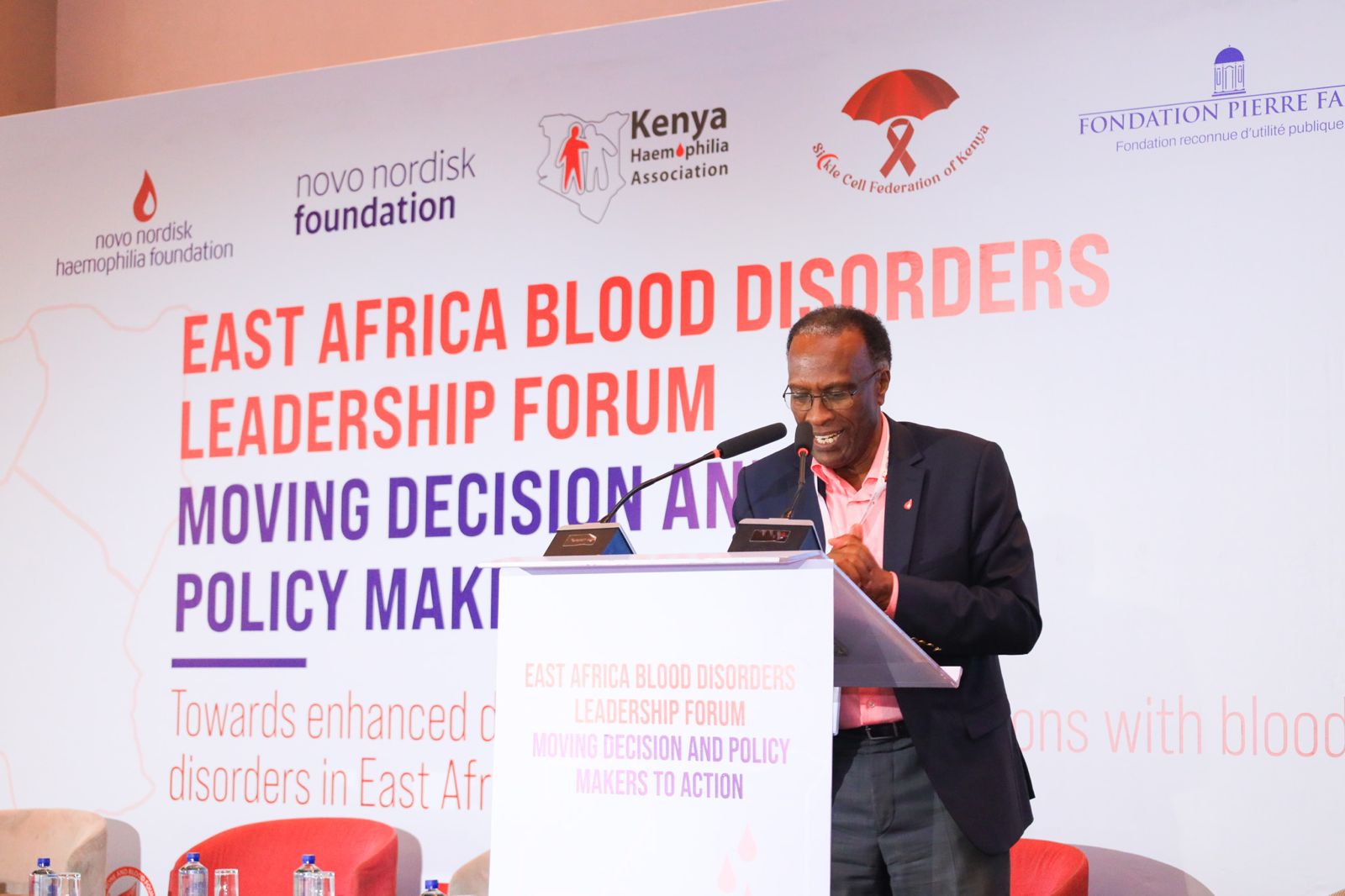
October 29th, 2024, Nairobi – Kenya: Experts and key stakeholders in the health sector have urged East African governments to prioritize enhanced care for blood disorders in the region.
In a meeting that brought together thought leaders, patient organizations, government representatives, and patients to advance healthcare solutions and strategies for improved patient outcomes across the region, speakers emphasized the need to enhance diagnosis rates, access to care, advocacy and awareness, research, and collaboration.
Prof. Johny Mahlangu, a Council member of Novo Nordisk Haemophilia Foundation, emphasized the need for partnership to realize progress in this.
“We believe that partnerships and collaborations are at the heart of what we do. Today is an opportunity for us to build, strengthen, and utilize these partnerships to benefit the people living with blood disorders and their communities,” said Prof. Mahlangu.
Mr Harry K. Kimtai, CBS, Principal Secretary, State Department for Medical Services, Ministry of Health, Kenya, recognized that blood disorders exert a devastating economic burden on individuals and households, driving many into abject poverty.
“In this forum, we represent a broad spectrum of expertise—from clinical research and patient advocacy to health policy and innovation. Each perspective here brings invaluable insight. Our discussions will touch upon essential areas: advancing early diagnosis, improving treatment accessibility, enhancing care equity, and fostering research to develop new therapies,” said Mr. Kimtai in a statement read by Dr. Rebecca Kiptui, Director of Clinical and Nursing Services at the Ministry of Health.
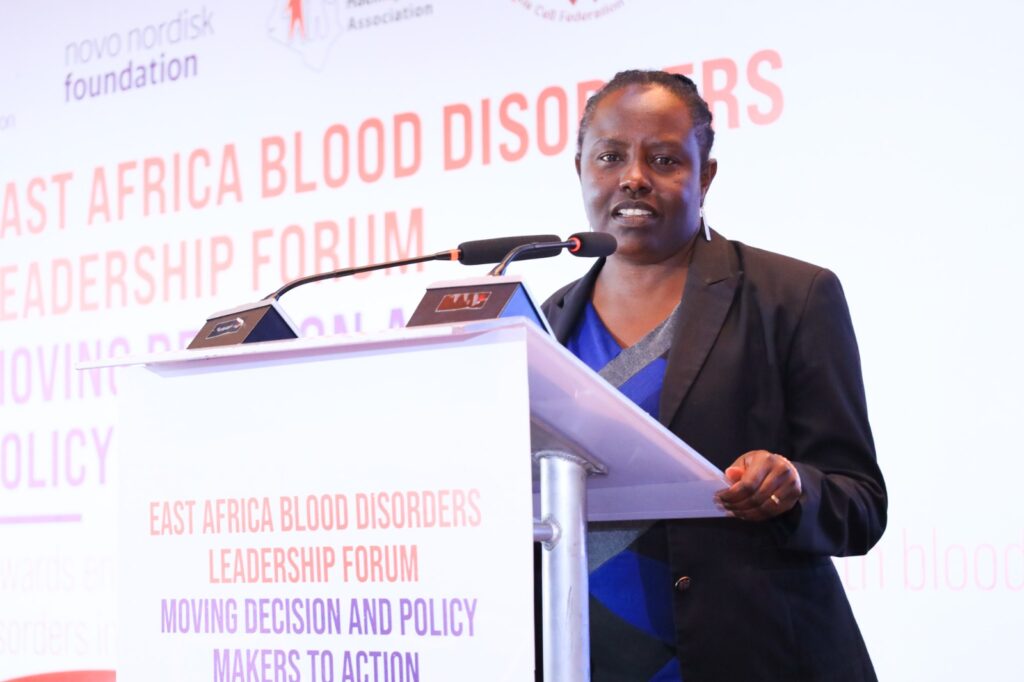
Kenya has made progress in diagnosing and managing blood disorders through its partnership with several stakeholders.
Twelve comprehensive haemophilia and Sickle cell care centres have been established through collaboration with the Novo Nordisk Haemophilia Foundation. Training of healthcare professionals on haemophilia management is continuously ongoing to enhance quality service delivery.
Dr. Kibet Shikuku, Chair, of Kenya Haemophilia Association, highlighted the importance of collaborations between government ministries within the region to share working modalities from one country and replicate them in other countries.
He added, “There is a need to pull resources and use methods that will enable countries to judiciously use the resources. The importance of data in helping the government in policy-making and resource allocation regardless of how low the numbers might show.”
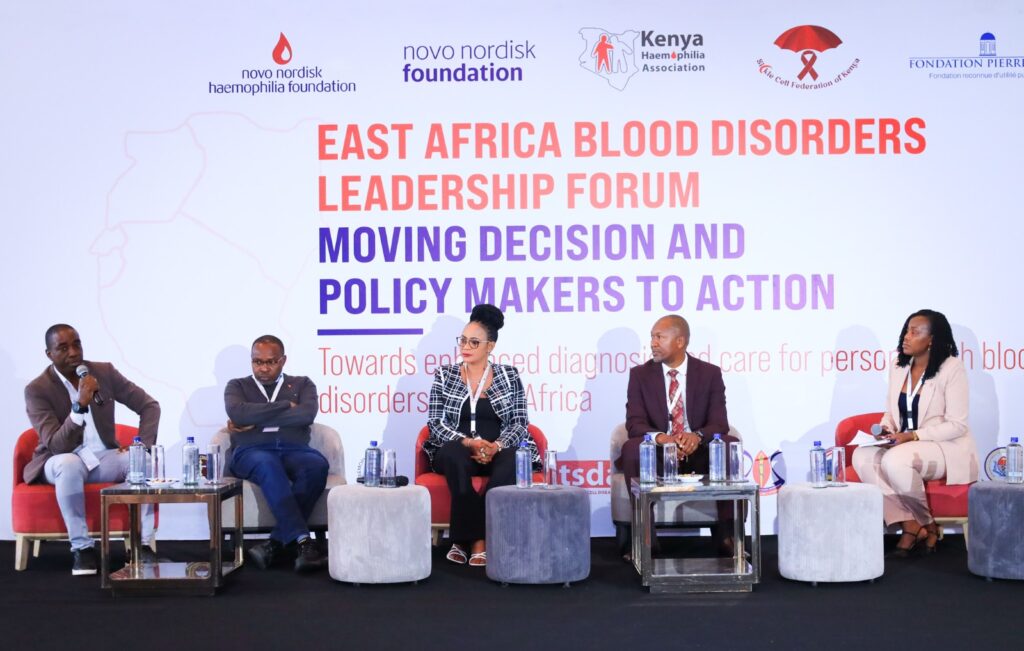
The Kenyan government remains committed to collaborating with development partners and relevant bodies to advocate for improved access to care and provide support for individuals living with blood disorders and their families as well as raise awareness.
Francis Njau, Business Unit Head, Novo Nordisk called on East African governments to lead the way in raising awareness on blood disorders from all sets of populations.
“Blood disorders will be fully addressed if the leadership takes ownership of this. From strengthening the in-country health systems to offering training to healthcare providers, there is a lot to be done to achieve a better life for patients with blood disorders,” said Njau.
Prof Karanja Njoroge, Chair to the Board, of Kenya Haemophilia Association (KHA) emphasized on the need to address the numerous challenges faced by individuals with blood disorders in East Africa, especially in trying to access affordable and efficient care.
“Individuals with blood disorders in East Africa often face challenges in accessing appropriate diagnosis, treatment, and support services. Limited healthcare infrastructure, inadequately trained healthcare professionals, and scarcity of treatment products can all contribute to suboptimal care for individuals with blood disorders in the region,” said Prof Karanja.
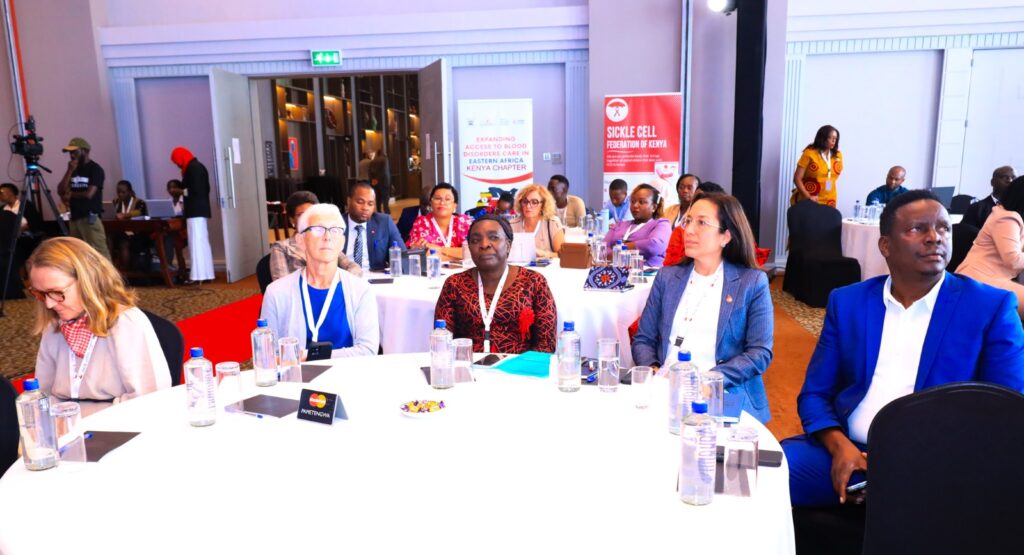
The two-day event seeks to raise awareness on blood disorders among the government and the general public about the prevalence, impact, and challenges of these conditions.
The forum also discussed the need to advocate for adequately trained healthcare professionals to provide comprehensive care to people with blood disorders, including nursing, counseling, and physical therapy, and to standardized blood disorders training curricula.
“Limited healthcare infrastructure, inadequate trained healthcare professionals and scarcity of treatment products can all contribute to suboptimal care for individuals with bleeding and blood disorders in the region,” said Dr Elisha Osati, MD, MMED, FAIMER Fellow, PhD Fellow Chair-Tanzania Sickle Cell Disease Alliance (TSDA).
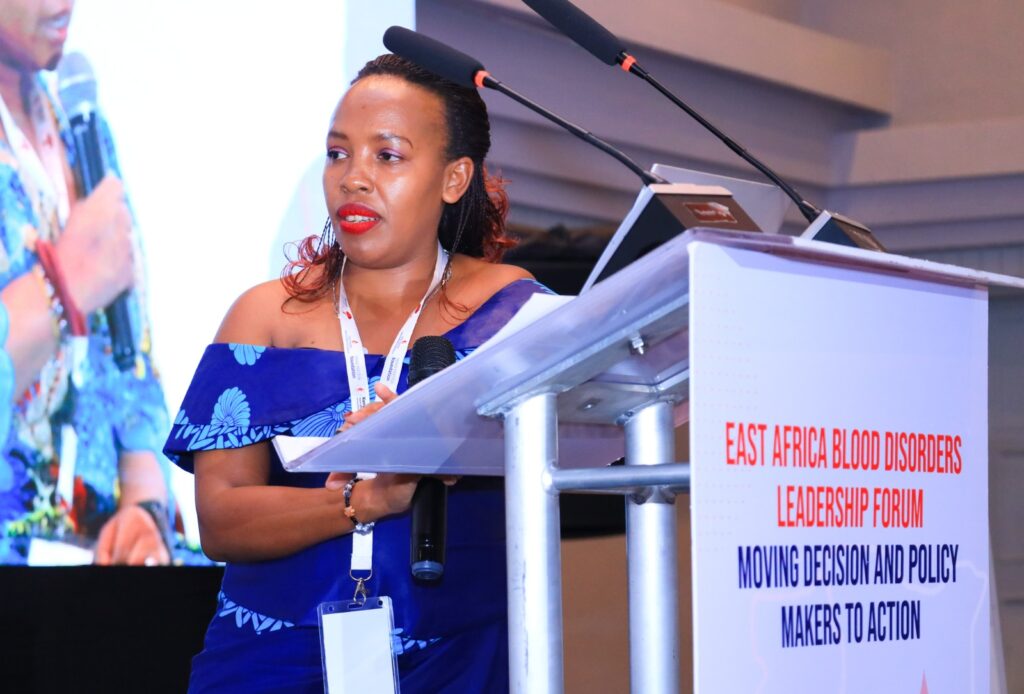
In the wake of pressing health challenges in East Africa, the forum recognizes the critical role played by patient associations, healthcare professionals, and governments in creating a healthcare system that accommodates the pertinent issues affecting patients with blood disorders in East Africa, Z, and South Africa.
Globally, hemophilia affects 1 in every 10,000 people. In Kenya, it is estimated that about 5,500 people are living with this condition, with only about 940 currently in care, mainly due to low awareness, limited access to care and limited capacity to detect and manage the condition. Equally, the prevalence of sickle cell disease in Kenya is high, especially in the western, coastal, and Nyanza regions, with approximately 14,000 children born with the condition each year.


Comments
No approved comments yet.