

In Kenya, sickle cell disease (SCD) continues to claim the lives of thousands of children—many before they even reach their fifth birthday. Despite its staggering prevalence, particularly in high-burden regions like Kisumu and the Lake Victoria basin, this inherited blood disorder remains on the periphery of national health priorities.
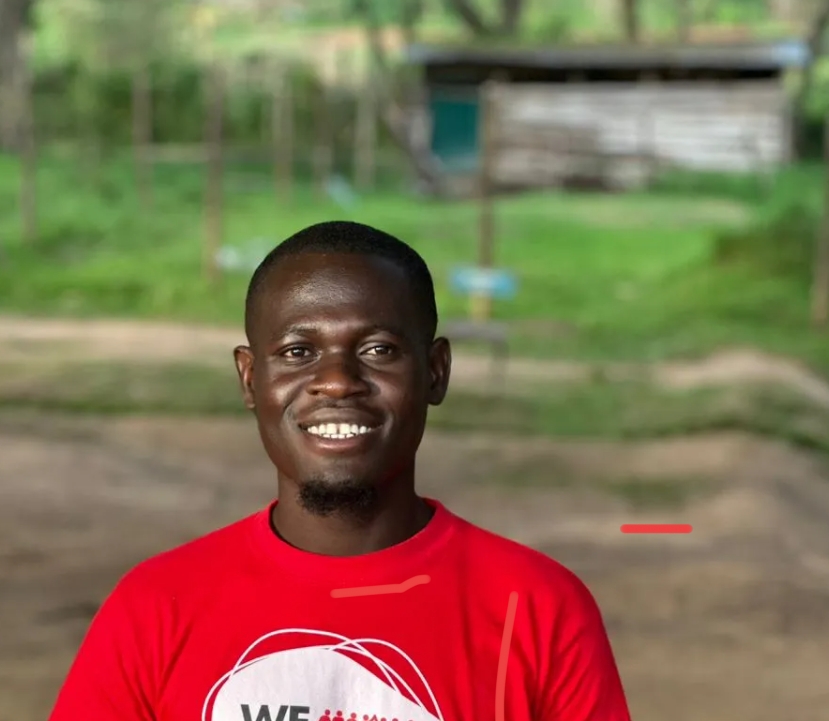
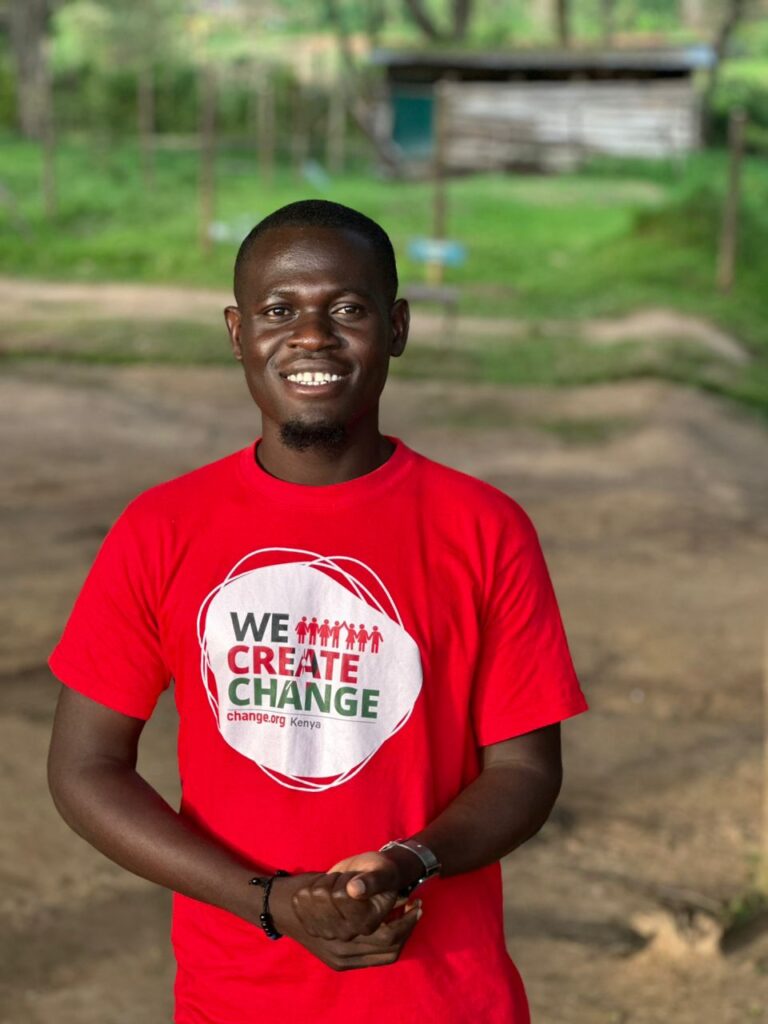
In this gripping and deeply personal interview, I, Wandabwa Wanyama, speak with Nguvu Change Leader Arnold Osano, a passionate youth advocate leading a bold campaign to declare sickle cell a public health emergency in Kenya. With unflinching honesty, Osano unpacks the systemic failures, social injustices, and heartbreaking human stories that pushed him from silent witness to loud reformer.
From broken health systems to buried children, from grassroots mobilisation to high-level policy demands, this conversation is a wake-up call—not just for leaders, but for all Kenyans.
1. Why does the mortality rate from sickle cell disease remain high despite existing health interventions?
The mortality rate remains alarmingly high because current interventions are fragmented, underfunded, and largely inaccessible to those most at risk. Although over 14,000 children are born with sickle cell disease (SCD) annually in Kenya, up to 50% do not live past age five.
This is largely due to late diagnosis, unaffordable medications, and weak health infrastructure. While a few counties have piloted newborn screening, the absence of a national, coordinated strategy means many children are diagnosed only when they are already in crisis.
Life-saving medications like hydroxyurea remain out of reach for most families, either due to cost or unavailability in public hospitals. The overall lack of urgency in policymaking and systemic neglect continues to cost thousands of young lives.
2. Which counties or communities are worst affected, and what underlying socioeconomic or systemic issues make them especially vulnerable?
Regions around the Lake Victoria basin and Kenya's coastal belt bear one of the highest burdens of SCD. These areas not only report high prevalence rates but also suffer from acute healthcare inequities. In Kisumu, for instance, families in informal settlements often face long waits at under-equipped clinics, drug stockouts, and healthcare workers who are not trained to manage the disease.
Read: Why Private Health Insurance is the Smart Choice
The rural poor are disproportionately affected because specialist care is concentrated in urban centres, leaving those in remote areas with few options. Systemic issues like poverty, geographical isolation, and health workforce shortages compound the crisis, and the pervasive stigma around SCD, rooted in cultural myths, further delays care and fuels isolation.
3. What gaps exist in the current healthcare system’s response to sickle cell disease, especially in terms of screening, diagnosis, and long-term care?
The current healthcare system lacks a consistent, nationwide screening program, leaving most cases undiagnosed until symptoms become severe. Even in counties like Kisumu that have attempted interventions, broken referral systems and staff shortages have undercut progress.
Read: How Embedded Insurance Is Quietly Changing How We Buy Protection
Most health centres are ill-equipped to handle pain crises or provide continuous care, and essential medicines remain unavailable or unaffordable. There is also a glaring lack of trained healthcare workers and minimal public education on the disease, both of which are critical for long-term management and stigma reduction.
4. What inspired you to launch this petition? Was there a personal experience or observed injustice that pushed you to take action?
The petition was born from lived encounters with suffering and injustice. In Kisumu, direct engagement with grieving mothers, many of whom had buried multiple undiagnosed children, brought the crisis into sharp focus.
The overwhelming sense of helplessness in families forced to navigate a health system that ignores their plight was a powerful catalyst. Beyond the numbers, the human stories of the long clinic queues, the misdiagnoses, and the stigma underscored the urgent need for action. This movement was driven by a blend of pain, anger, and hope to correct a silent, ongoing tragedy.
5. What specific changes are you calling for in the petition? Are you focusing more on policy, funding, or implementation reforms?
The petition outlines several targeted reforms spanning policy, funding, and implementation. It calls for SCD to be declared a public health emergency in Kisumu County, with inclusion in the county health strategic plans.
It demands budgetary allocations for screening programs, consistent availability of hydroxyurea in public hospitals, and the creation of specialised treatment centres in high-burden areas. It also urges training for healthcare workers, improvements in emergency referral systems, and the launch of widespread public education campaigns to combat stigma. This is a comprehensive demand for systemic transformation—not just promises, but deliverables.
6. What outcomes do you hope to see from this petition? Are you targeting legislative reform, national budget commitments, or increased public health investment?
The primary goal is legislative and policy recognition of SCD as a public health emergency, backed by concrete budget allocations and implementation measures. The petition seeks increased public health investment in SCD care infrastructure, especially in high-burden regions like Kisumu.
It also aims to galvanise political will to integrate SCD into national and county health strategies. Ultimately, the desired outcome is a sustained shift from fragmented efforts to a structured, well-funded national response that saves lives and uplifts affected families.
7. Do you feel sickle cell disease has been deprioritised within Kenya’s broader healthcare policy frameworks? Why?
Yes, SCD has been consistently sidelined within Kenya’s broader health agenda. While diseases like HIV/AIDS, malaria, and tuberculosis receive substantial attention, funding, and awareness, SCD, despite being equally or more prevalent in certain areas, has not received the same urgency. This disparity is not just a policy gap; it reflects a deeper moral failure in recognising and responding to the needs of vulnerable children and families affected by SCD.
8. Are there any existing national policies or strategies that address sickle cell management? If so, what key gaps or failures have you identified in their implementation?
While there are emerging efforts such as the Ministry of Health’s 2023 infant screening guidelines and the 2024 Afya Dhabiti Initiative, their implementation has been growing, but the screening is still confined to a handful of pilot counties, drug affordability initiatives are poorly coordinated, and public outreach efforts are minimal.
These fragmented interventions lack the national scope, urgency, and integration necessary for meaningful impact.
9. What policy recommendations would you put forward to ensure better prioritisation, especially in counties with the highest burden?
A few key recommendations include declaring SCD a public health emergency, integrating it into national and county health strategic plans, and allocating specific funds for newborn screening and consistent drug supply.
Establishing regional SCD treatment centres and training health workers at all levels, especially in rural and underserved areas, is crucial. Public education campaigns to dispel stigma and encourage early diagnosis must also be central to the strategy. Policies must be enforceable, funded, and monitored for accountability.
10. How are you building momentum around this petition? Are you engaging with lawmakers, the media, or youth networks?
Momentum is being built through multi-pronged advocacy by submitting formal petitions to county authorities, engaging with local lawmakers, and mobilising affected communities.
Youth are especially active, using social media to share personal stories, conduct health talks in schools, and gather grassroots data. Media engagement is also critical, not just for awareness but for pressure, pushing leaders to move beyond symbolic gestures toward actionable reform.
11. What role do you believe young people in Kenya can play in holding the government accountable on healthcare equity?
Young people are uniquely positioned to drive this movement forward. They bring energy, digital literacy, and lived experience to the advocacy table. Whether through social media campaigns, community outreach, or civic engagement, young people are already shaping public discourse around SCD.
By demanding transparency, mobilising peers, and spotlighting local issues, they can hold the government accountable and ensure healthcare equity is not just an ideal, but a reality.
12. How can the general public, civil society organisations, and the media support this cause to ensure it gets the attention it deserves?
The general public can sign and share the petition, speak openly about SCD, and support families affected by the disease. Civil society organisations can provide technical support, amplify community voices, and work alongside advocates to ensure accountability.
The media must go beyond statistics, telling the human stories behind the crisis and keeping pressure on public officials. By creating a united front, these stakeholders can break the silence, combat stigma, and push for lasting policy change.
Do you want to be published? Email info@thedailywhistle.co.ke or Whatsapp 0721930260


Comments
No approved comments yet.