
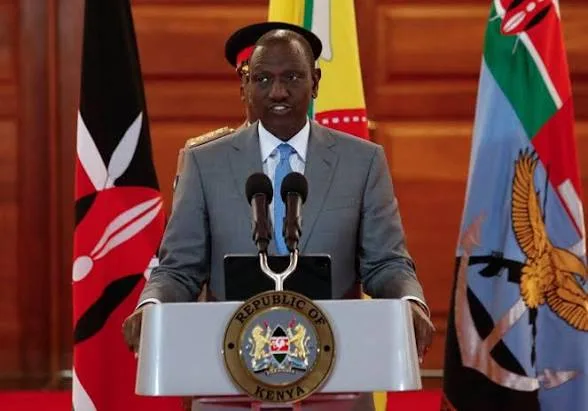
Speaking during his fourth State of the Nation Address at Parliament on Wednesday, November 18, 2026, Ruto highlighted improvements in agriculture, infrastructure, education, healthcare and financial stability as evidence that his administration was delivering on its promises.
According to The Star, the President described Kenya's economy as recovering, insisting that deliberate government reforms had created new opportunities for businesses, farmers and young people.
He also pointed to improvements in agricultural production, particularly maize, tea, coffee, dairy and sugar, arguing that government interventions were helping reduce food prices while increasing farmers' earnings.
The Standard reported that Ruto cited the reduction in the price of a 50-kilogramme bag of fertiliser from KSh7,500 in 2022 to KSh2,000 in 2026.
He further stated that maize production had increased from 44.3 million bags in 2022 to 71 million bags in 2025, while maize imports had declined from 9.9 million bags to 3.3 million bags.
These figures formed part of his argument that the government's agricultural policies were helping strengthen food security and reduce pressure on household expenditure.
However, the economic situation also presents challenges that cannot be overlooked.
According to the Kenya National Bureau of Statistics (KNBS), annual inflation increased to 7.3 per cent in October 2026, compared with 4.6 per cent during the same period last year.
Food prices recorded an annual increase of 10.2 per cent, while transport costs rose by 17.1 per cent.
The figures highlight the continuing pressure on household budgets despite the government's claims of economic recovery.
Another significant concern is Kenya's growing public debt.
In its latest Quarterly Economic and Budgetary Review, the National Treasury reported that public and publicly guaranteed debt had reached KSh13.53 trillion by September 30, 2026.
This represented an increase from KSh12.05 trillion recorded during the same period in 2025.
The rising debt stock raises questions about the government's ability to finance development projects while meeting its existing financial obligations.
Capital FM, in its November 18 assessment of Ruto's KSh5 trillion transformation plan, also highlighted the financial challenges facing the administration.
The publication reported that the World Bank's November 2026 economic update placed Kenya's gross public debt at 69.9 per cent of GDP by June 2026.
It further reported that interest payments accounted for a significant share of government revenue, limiting the resources available for other public expenditure.
Employment is another area where the President's promises face an important test.
During his address, Ruto highlighted employment opportunities created through the digital economy, affordable housing programme and international labour mobility initiatives.
The Standard reported that the President claimed 350,000 Kenyans had secured jobs through digital economy programmes, while another 707,000 had obtained employment abroad.
However, Capital FM's assessment of the country's economic performance highlighted that approximately 83.8 per cent of employed Kenyans remained in informal employment in 2025.
This distinction matters because having an income-generating activity does not necessarily translate into stable employment, reliable earnings or access to employment benefits.
The President also defended his administration's infrastructure ambitions, including the construction of roads, expansion of electricity generation and development of major transport projects.
During the address, he announced that 7,000 kilometres of roads were under construction and outlined plans to construct an additional 28,000 kilometres over the next decade.
He also maintained that the National Infrastructure Fund would help mobilise resources for major development projects without placing excessive pressure on public borrowing.
Nevertheless, Capital FM's analysis pointed to the financing challenges surrounding the government's KSh5 trillion transformation ambition, particularly given the country's debt position and competing expenditure demands.
On healthcare and education, Ruto highlighted the expansion of the Social Health Authority, increased education funding and the recruitment of additional teachers.
Citizen Digital also reported that the President announced the approval of KSh18 billion owed to public universities and KSh16 billion owed to hospitals under the former National Hospital Insurance Fund.
The announcements could provide relief to institutions struggling with outstanding payments, although the actual settlement of the obligations remains an important measure of implementation.
Meanwhile, Daily Nation's live coverage of the address included a fact-checking exercise examining individual presidential claims against publicly available statistics.
The publication, for instance, examined the President's claim that 53,265 cancer patients were receiving treatment under SHA and classified the figure as requiring further verification against previously reported Ministry of Health figures.
The distinction between announcements, government targets and completed achievements is therefore important when assessing the administration's performance.
While some economic indicators point to improvements, other figures reveal continuing challenges involving household expenditure, public debt, employment and access to essential services.
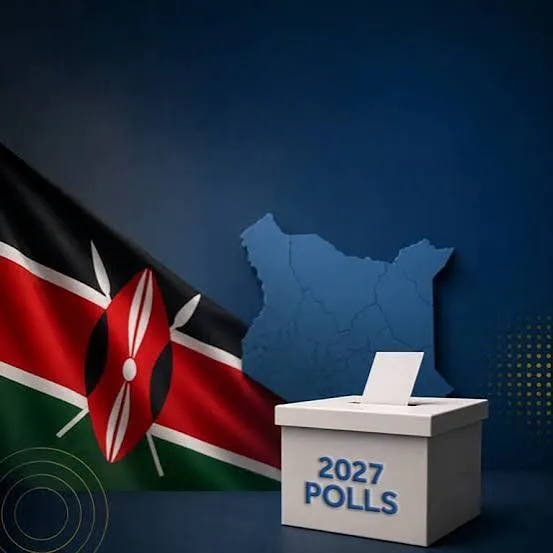
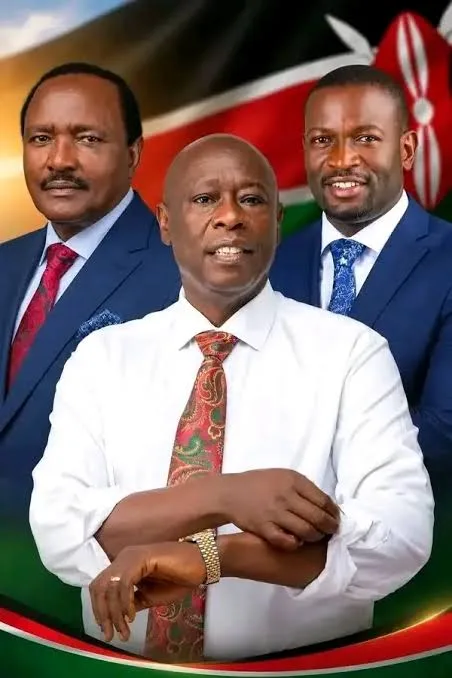
With the 2027 General Election approaching, Ruto's address has provided an opportunity for his administration to defend its record, while giving Kenyans an opportunity to examine the promises against measurable results.
Has Kenya experienced the economic transformation President Ruto described, or is the reality facing ordinary households telling a different story?
Comments
No approved comments yet.