

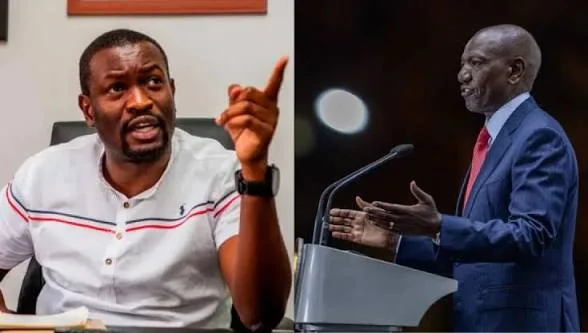
Kenya’s political scene was rocked by two major incidents on Friday after opposition leaders were denied speaking opportunities at the funeral of senior police officer Lazarus Opicho, while President William Ruto’s development meeting in West Pokot County was cut short following scenes of chaos.
The developments unfolded as the government extended reduced Value Added Tax (VAT) on petroleum products, health authorities confirmed a third Ebola case, and Winnie Odinga’s declaration of interest in the Nairobi Senate seat added a new dimension to political discussions ahead of the 2027 General Election.
The day’s events placed political tensions, government accountability, public safety and the cost of living at the centre of national debate.
Here are the major stories shaping Kenya on Friday, October 16.
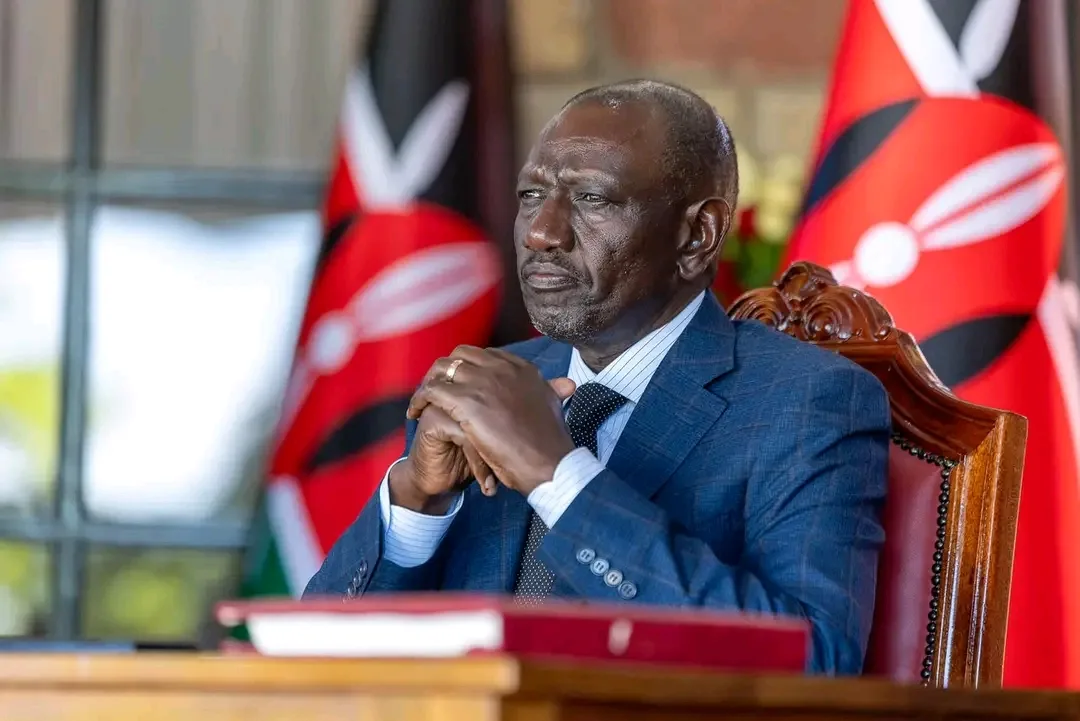
1. Sifuna, Natembeya Denied Speaking Slots at Lazarus Opicho’s Funeral
Nairobi Senator Edwin Sifuna and Trans Nzoia Governor George Natembeya were among political leaders who were not given an opportunity to address mourners during the funeral of Senior Assistant Inspector General of Police Lazarus Opicho in Trans Nzoia County.
Opicho was laid to rest at his rural home in Sirende, Wehoya Village, following a funeral service at Maili Saba Grounds.
The ceremony attracted senior security officials, politicians, family members and members of the public. Those in attendance included Sifuna, Natembeya, Nairobi Governor Johnson Sakaja and Vihiga Senator Godfrey Osotsi.
However, the programme allowed only selected leaders to speak.
The master of ceremonies, Principal Deputy to the Deputy Inspector General of the Administration Police Service Masoud Mwinyi, told leaders who had expected to address mourners to accept the arrangement.
“For those who had planned to speak but will not be given a chance, let us be content with what will have been said by our colleagues,” Mwinyi said, according to The Star.
He explained that selected speakers would represent the views of other leaders and asked those who felt their messages had not been adequately conveyed to visit the bereaved family later.
The decision drew attention because the affected leaders included prominent opposition figures associated with the Linda Mwananchi political movement.
Opicho, who died on September 28 at Aga Khan University Hospital in Nairobi after a short illness, served as commandant of the Security of Government Buildings and VIP Protection Unit.
The funeral controversy became one of the day’s major political talking points, although the reported speaking restrictions alone do not establish whether the decision was politically motivated.
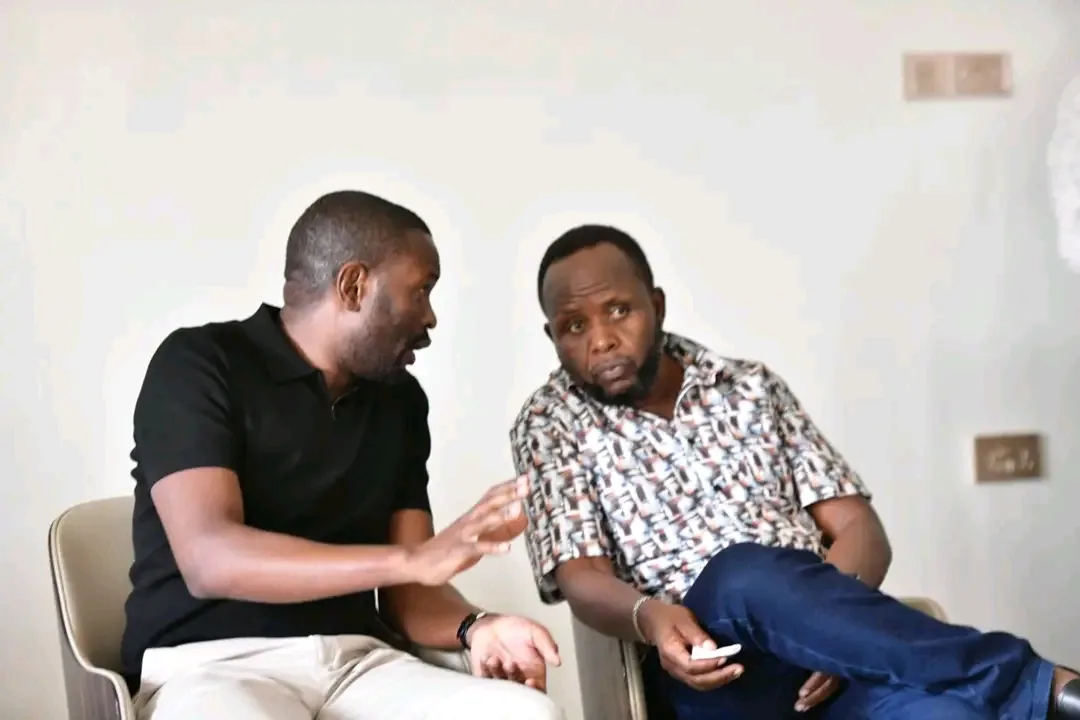
2. Sifuna Tells Ruto to Stop Name Calling and Address Kenyans’ Concerns
Sifuna used the funeral gathering to renew his criticism of President Ruto’s administration, accusing the government of failing to address the high cost of living and questions surrounding public spending.
The Nairobi senator argued that the opposition’s responsibility was to demand answers from the government rather than engage in personal exchanges with the President.
“Stop directing your anger at us, stop calling us names,” Sifuna said, according to Daily Nation.
He challenged the President to respond to questions about living costs and the management of public funds.
Sifuna also criticised the government’s affordable housing programme, questioning whether it had meaningfully addressed the country’s slum problem despite the taxes imposed to finance it.
“Your affordable housing project is just a slum to siphon money from Kenyans,” he said, according to the newspaper.
The remarks reflect the issues Sifuna and other opposition leaders are increasingly placing at the centre of their political messaging as the country moves towards the 2027 election.
Natembeya also disputed allegations that he was sponsoring goons in Trans Nzoia, challenging the government to provide evidence.
“If they think I have been sponsoring goons, they should table evidence instead of making flimsy allegations aimed at tarnishing my profile,” Natembeya said, according to Daily Nation.
The allegations and counterclaims underscore the growing political confrontation between the government and opposition figures. Claims about wrongdoing should be assessed against independently established evidence and responses from the parties involved.
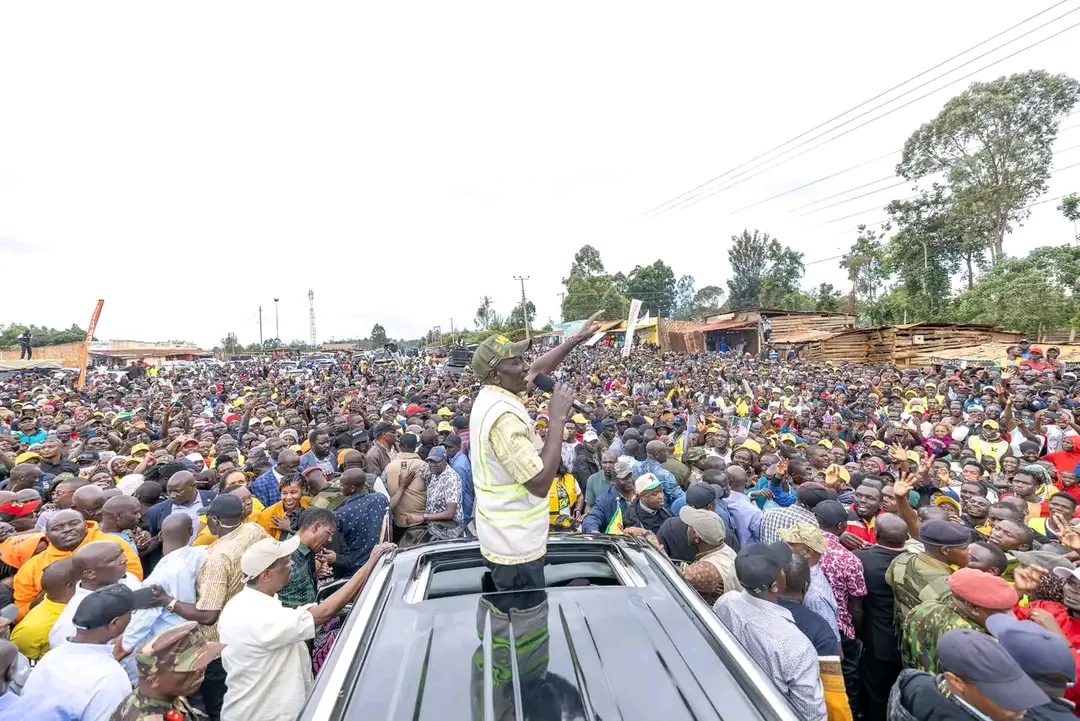
3. Ruto’s West Pokot Meeting Cut Short After Stones and Bottles Thrown
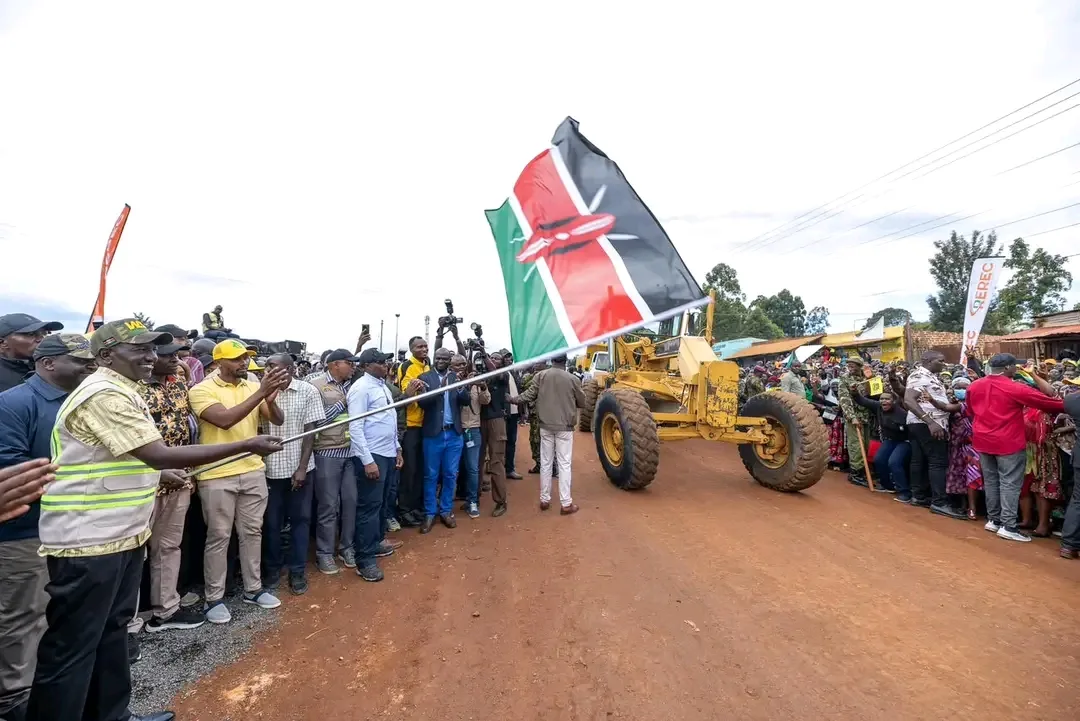
President Ruto’s development meeting in Sigor, West Pokot County, ended prematurely on Friday after rival political groups disrupted proceedings by throwing stones, soil and water bottles at leaders addressing the gathering.
The chaos forced the President to descend from the top of his vehicle as people scrambled for safety.
The disturbance intensified when local leaders were invited to speak. Governor Simon Kachapin, Senator Julius Murgor, Woman Representative Rael Kasiwai and Sigor MP Peter Lochakapong faced heckling from sections of the crowd.
The situation worsened when Pokot South MP David Pkosing, who is eyeing the West Pokot governorship, was invited to address the gathering. Some residents threw objects towards him, forcing him to cut short his remarks.
The meeting ended before several leaders could speak.
The Standard reported that rival groups had allegedly clashed overnight and early Friday ahead of the President’s arrival. The newspaper also reported claims that the earlier clashes left one person dead and several others critically injured. Those casualty figures require confirmation from police or health authorities before they can be treated as established facts.
The disruption overshadowed Ruto’s development tour and raised questions about political rivalry and security at public gatherings.
Ruto’s development promises overshadowed by chaos
Before the meeting was disrupted, the President had been promoting government investments in roads, electricity, markets and irrigation intended to transform the Kerio Valley region.
Speaking during the tour, Ruto said the government wanted to expand economic opportunities for residents.
“We are changing the face of Kerio Valley from a banditry and cattle-rustling region to an economic hub,” Ruto said, according to The Standard.
The President also highlighted the role of infrastructure in improving connectivity between West Pokot and neighbouring counties.
The disruption, however, shifted the focus from development commitments to the political tensions surrounding the gathering.
For residents, the lasting measure of the tour will be whether announced projects are completed and deliver tangible improvements in transport, trade and access to services.
4. Ruto Signs Tax Laws Extending Reduced VAT on Fuel
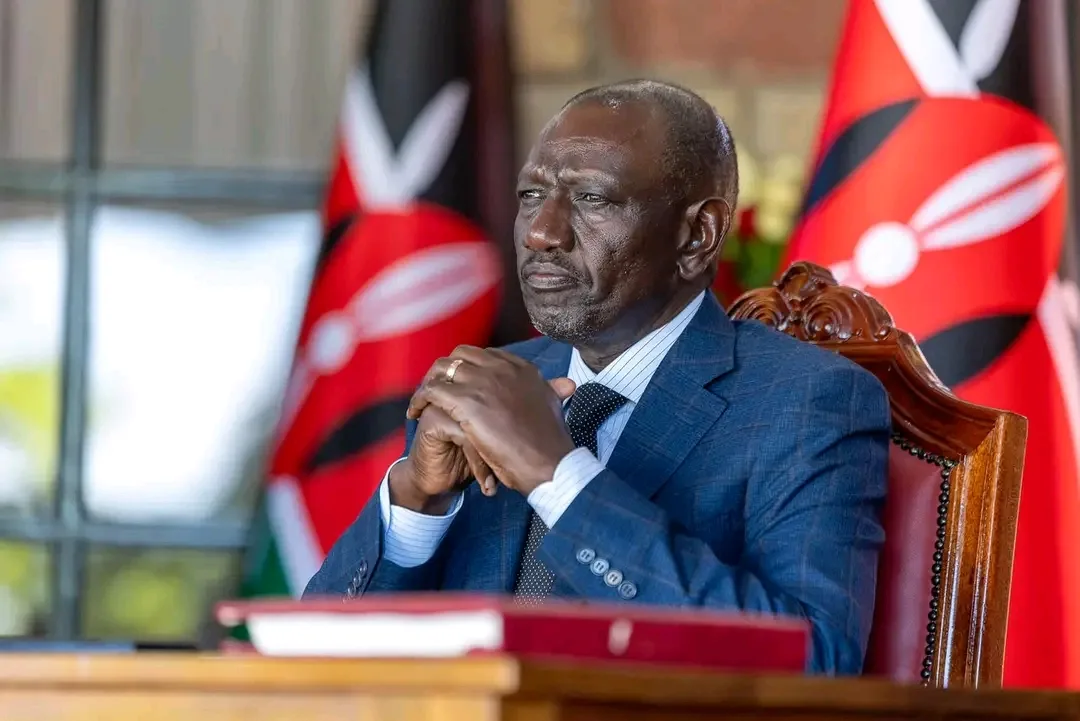
President Ruto on Friday signed the Tax Laws (Amendment) Act, 2026, and the Kenya Revenue Authority (Amendment) Act, 2026, at Eldoret State Lodge in Uasin Gishu County.
The changes extend the reduction of VAT on petroleum products from 16 per cent to eight per cent for another 90 days, a measure intended to cushion consumers against high fuel prices.
The relief may be extended for a further 90 days, subject to the applicable provisions.
Fuel prices affect transport, food distribution and the operating costs of businesses, making petroleum taxation an important issue for households already facing pressure from living expenses.
The legislation also changes the calculation of excise duty on tiles from weight to size and reduces excise duty on sanitary ware from KSh50 to KSh30 per kilogramme.
The government says the changes are intended to address taxation issues affecting construction materials and housing.
The KRA amendment introduces changes to the tax authority’s governance and funding arrangements.
The immediate question for consumers is how the fuel tax relief will be reflected in retail prices and whether global oil market movements will offset some of the benefit.
5. Kenya Confirms Third Ebola Case as Contact Tracing Continues
Kenya confirmed a third Ebola case on Friday, October 16, after a 65-year-old woman who was a close relative of the first two patients tested positive.
The woman had been in quarantine since October 6. She developed symptoms including fever and a sore throat, prompting further testing.
The Ministry of Health said the samples tested positive at both the National Virology Reference Laboratory and the Kenya Medical Research Institute.
Health Director-General Patrick Amoth said the patient had been transferred to an infectious disease unit for supportive care and monitoring.
“Having been in quarantine, she was diagnosed early and is currently receiving supportive care,” the Ministry of Health said in a statement reported by The Standard.
The Ministry said early diagnosis improved the patient’s chances of recovery while helping limit the risk of further transmission.
The latest case brought the number of confirmed Ebola infections in Kenya to three. Authorities said 127 of 130 identified contacts had been traced and placed in quarantine, with efforts continuing to locate the remaining three.
The cases are linked to the ongoing Ebola epidemic in the Democratic Republic of Congo.
Health authorities continue to emphasise surveillance, contact tracing and early detection. Members of the public should follow official Ministry of Health guidance and avoid spreading unverified claims about suspected infections.
6. KRA Moves to Recover KSh623 Million in Alleged Tax Arrears from Mike Sonko
The Kenya Revenue Authority has initiated a process to recover KSh623.39 million in alleged tax arrears from former Nairobi Governor Mike Sonko, according to Citizen Digital.
The report said KRA issued an agency notice dated October 12, 2026, appointing First Community Bank as an agent for recovery.
The amount reportedly includes approximately KSh308.92 million in principal tax, KSh15.76 million in penalties and KSh298.72 million in interest. The claimed arrears relate to the period between January 2015 and December 2019.
The recovery process invokes Section 42 of the Tax Procedures Act, which allows KRA to appoint a third party to recover tax debts from money held for a taxpayer or payable to them.
The notice represents the tax authority’s recovery action and should not be confused with a final court determination of any disputed liability.
Any response from Sonko, including whether he disputes the assessment or has challenged the recovery process, should be included if available.
The case comes amid continued efforts by the tax authority to enforce compliance and collect outstanding revenue.
7. Winnie Odinga’s Nairobi Senate Bid Adds New Dimension to 2027 Race
Winnie Odinga has declared her intention to contest the Nairobi Senate seat in the 2027 General Election, introducing a new element into the political calculations surrounding the capital.
Her announcement was made during the first anniversary commemoration of her father, former Prime Minister Raila Odinga, in Bondo.
The declaration has drawn attention because the seat is currently held by Sifuna, who has emerged as a prominent opposition figure and has been involved in wider discussions about the 2027 presidential contest.
Winnie has also urged young people to participate in politics and prepare to seek elective positions.
Her intended candidacy could affect discussions within the Orange Democratic Movement and the wider opposition, depending on party nominations and coalition arrangements.
However, a declaration of interest is not the same as a confirmed nomination. The eventual contest will depend on the formal electoral and party processes.
The development adds to growing political speculation as leaders begin positioning themselves for the next General Election.
8. Standard Group CEO Chaacha Mwita Announces Departure
Standard Group Chief Executive Officer Chaacha Mwita has announced his resignation, according to a report published on Friday by Nairobi Law Monthly.
The report said Mwita would leave the position of CEO and executive director effective November 1, 2026, after approximately seven months in the role.
The company reportedly thanked him for his contribution but did not provide a reason for his departure or name a successor.
Standard Group operates The Standard newspaper, KTN and Radio Maisha, making the leadership change significant for Kenya’s media industry.
The next appointment will be watched as media companies navigate changes in digital audiences, advertising revenues and competition for online readership.
The departure date and succession arrangements should be checked against the company’s official communication before publication.
9. Ruto Puts KSh4.4 Billion Kerio Valley Road Project at Centre of Development Agenda
During his West Pokot tour, Ruto highlighted a KSh4.4 billion road project intended to improve connectivity across parts of the Kerio Valley region.
The Standard reported that the 35-kilometre Kopasi River–Lomut–Sigor–Marich Pass road was 60 per cent complete.
The project is expected to improve links between West Pokot, Turkana, Baringo and Elgeyo-Marakwet counties, while providing an alternative route towards northern Kenya.
Ruto said the wider investment programme included roads, modern markets, electricity connections and irrigation schemes.
He also announced plans to expand the Turkwel irrigation project to cover 50,000 acres and said the government had allocated KSh2.6 billion to connect 10,000 households in West Pokot to electricity under the Last Mile Electricity Connectivity Programme.
The government’s challenge will be to deliver the projects within the announced timelines and demonstrate how they improve livelihoods.
10. Kenya’s Cost of Living and Political Accountability Remain Major Issues
Friday’s developments highlighted the issues likely to dominate national debate in the months ahead.
The extension of reduced VAT on petroleum products offers temporary tax relief, but consumers will continue to monitor fuel prices and the cost of essential goods.
The Ebola cases have put public health preparedness and contact tracing under scrutiny, while the KRA recovery action involving Sonko has brought tax enforcement back into the spotlight.
At the same time, the funeral controversy involving Sifuna and Natembeya, alongside the disruption of Ruto’s West Pokot meeting, underscored the increasingly tense political environment.
The two incidents were different in nature, but both raised questions about political conduct, public safety and the space available for leaders to participate in public events.
With the 2027 General Election approaching, the public will be watching whether political declarations and government promises translate into measurable results.
What Friday’s Major Stories Mean for Kenyans
The biggest developments of October 16 touched on political expression, public safety, taxation, healthcare and the delivery of public services.
The Opicho funeral controversy put speaking arrangements and political participation under scrutiny. The disruption in West Pokot exposed the risks posed by political rivalry at public gatherings. The extension of reduced fuel VAT offered temporary relief, while the third Ebola case underscored the importance of early detection and effective contact tracing.
Meanwhile, Winnie Odinga’s Senate declaration showed how the political landscape is beginning to shift towards 2027.
For Kenyans, the significance of these stories will depend on what happens next: clear answers where controversies arise, reliable public health information, responsible political conduct and tangible results from government policies and development projects.

Comments
No approved comments yet.