

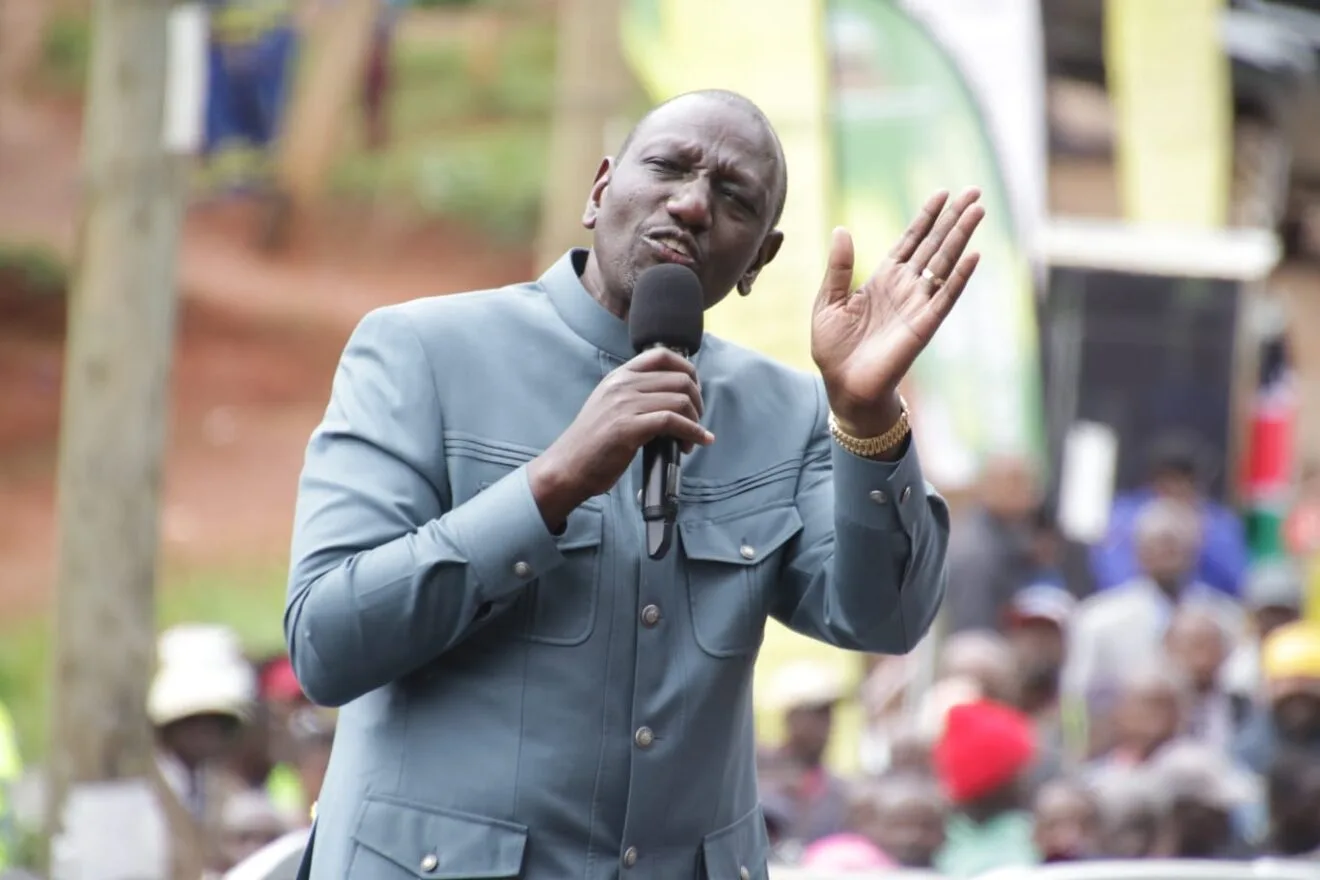
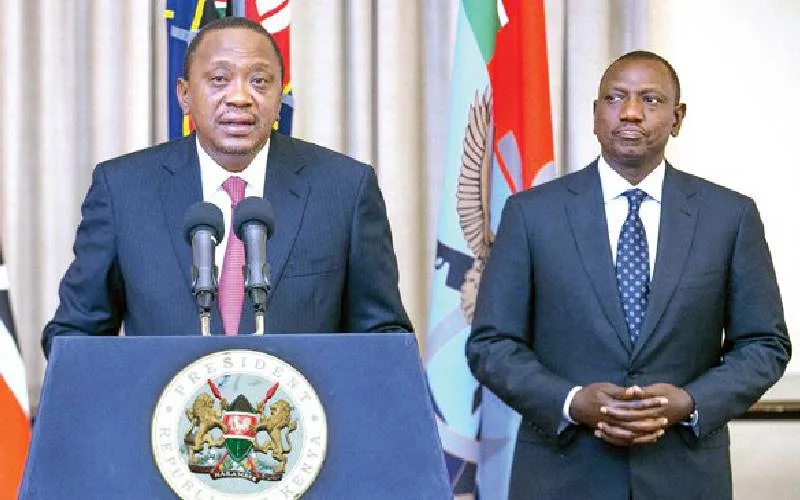
President William Ruto is seeking a second term in the 2027 General Election, but political and economic realities suggest the race will be far more competitive than 2022.
From public trust to taxation and youth mobilization, several factors could shape the contest.
1. The Trust Question
A recent TIFA survey reported by Citizen Digital found that 45% of respondents expressed distrust in President Ruto, while only 11% said they fully trusted him.
The survey also examined confidence in institutions like Parliament and the police.
These numbers do not decide an election, but they highlight a clear challenge. If the trust deficit persists, it will dominate the 2027 campaign narrative.
2. Opposition Mobilization Beyond Parliament
Opposition figures are already building networks outside traditional party structures.
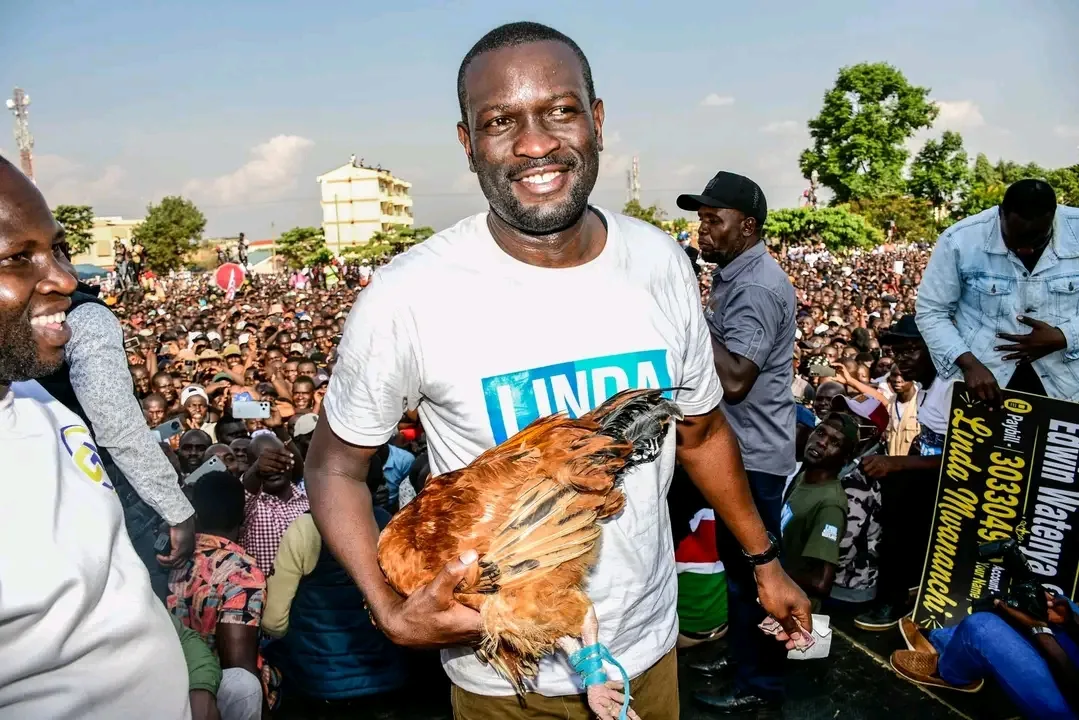
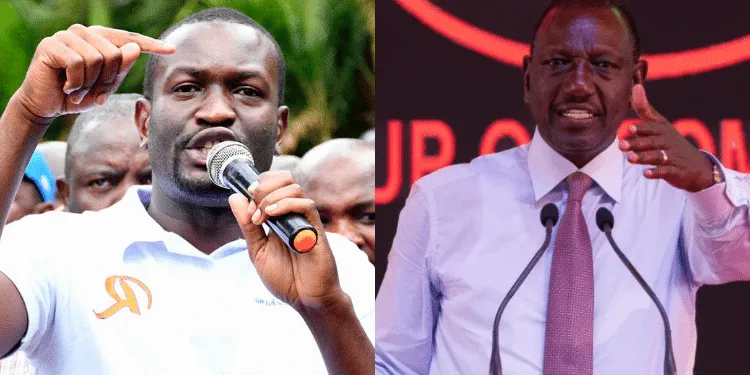
Nairobi Senator Edwin Sifuna, through the Linda Mwananchi initiative, has relied on small contributions from supporters. The Star reported in July that Sifuna was mobilizing ordinary Kenyans to fund the movement, with Nairobi Leo later reporting that contributions had crossed KSh 10 million in August.
Fundraising alone does not equal votes, but it shows an ability to organize and sustain a grassroots movement 18 months before the election. The real question is whether this can translate into national votes.
3. A Changed Political Environment
Kenya's political dynamics have shifted significantly since 2022.
The 2024 Finance Bill protests were a turning point. Reuters reported that thousands of young Kenyans demonstrated against proposed tax measures, leading President Ruto to withdraw the Bill. The Associated Press also covered the youth-led demand for accountability.
The protests proved that Gen Z can organize outside party structures - a factor that could be decisive in 2027.
Similarly, local contests like the Ol Kalou parliamentary by-election in July 2026, where DCP candidate Sammy Kamau Ngotho won with 35,440 votes according to Citizen Digital, show that voter preferences are fluid. A by-election does not predict a presidential result, but it signals changing ground.
4. Taxation and Cost of Living
The economy will remain the biggest ballot issue.
Taxation, unemployment and cost of living continue to dominate public debate. The 2024 Finance Bill became politically toxic after proposals for additional taxes, forcing a withdrawal after public pressure.
The International Monetary Fund has noted Kenya's tight fiscal position - the need to raise revenue while managing heavy debt obligations.
For the government, the task is to show that economic reforms are improving daily life. If households still feel squeezed, the economy will weigh heavily on voters' decisions.
What Lies Ahead?
President Ruto still has time to strengthen his position. Alliances shift, new candidates emerge, and campaigns change minds.
In May 2026, Ruto stated that he would accept the outcome of the election whether he wins or loses.
His re-election bid will therefore be tested not just by opponents, but by public confidence, economic performance, and his administration's record.
He is neither an automatic favourite nor an underdog. But with trust, taxes, and youth mobilization in play, 2027 is shaping up to be far more competitive than many expected.
Do you want to be published? E-mail info@thedailywhistle.co.ke or WhatsApp 0721930260
Comments
No approved comments yet.