
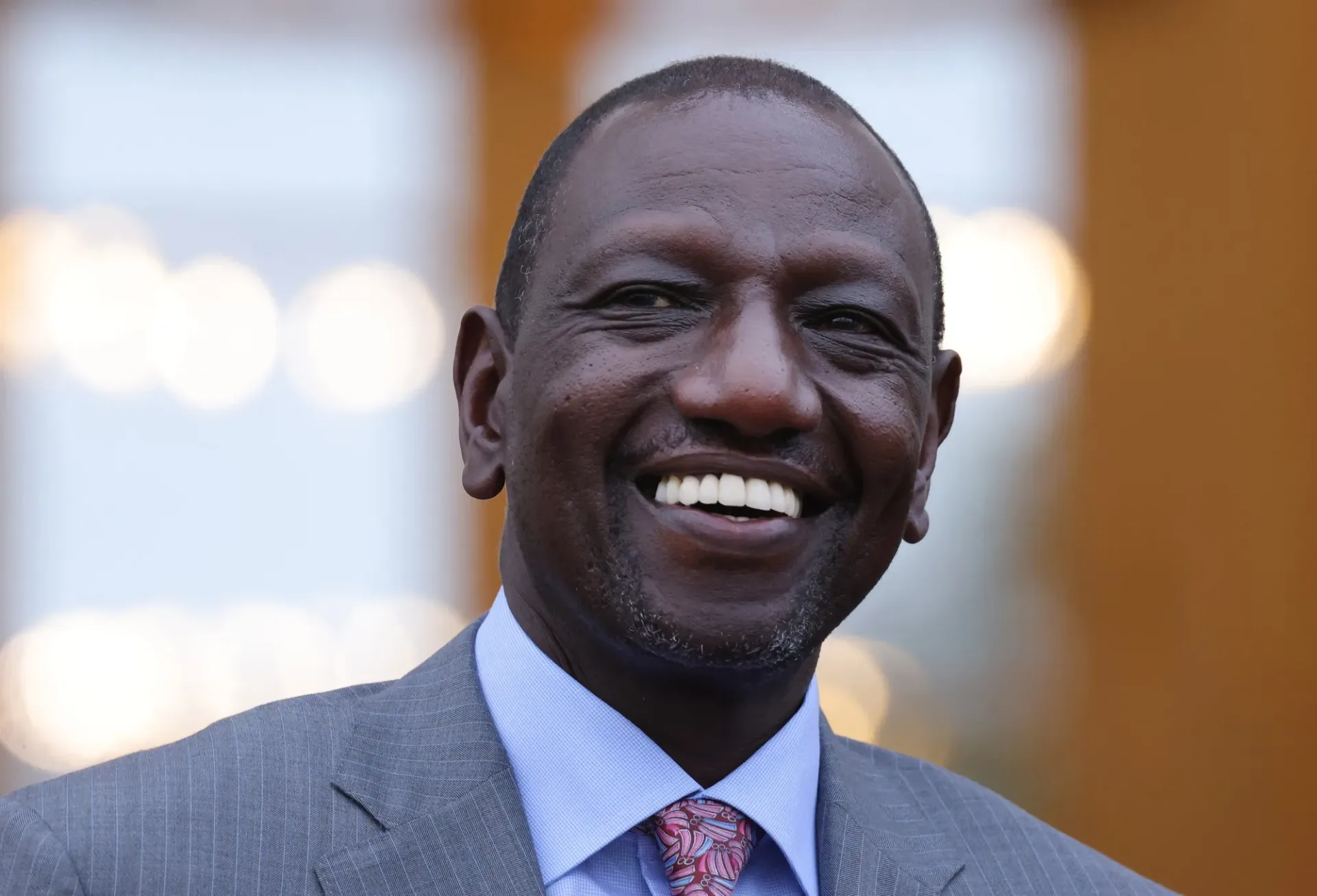
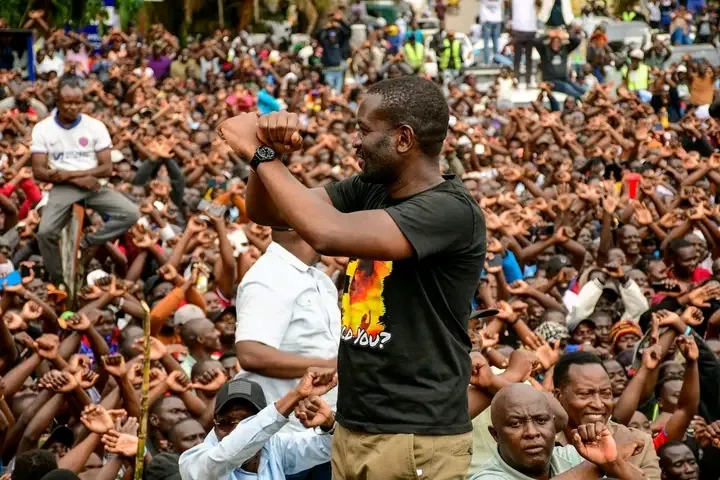
The survey, conducted between October 19 and 22 among 6,146 Kenyans, places Ruto at 40.2 per cent, followed by Wiper leader Kalonzo Musyoka at 19.7 per cent and Sifuna at 17.6 per cent. The reported margin of error is ±1.8 percentage points.
According to TUKO.co.ke, which reported the findings on Wednesday, former Deputy President Rigathi Gachagua scored 7.5 per cent, former Interior Cabinet Secretary Fred Matiang'i received 6.0 per cent, while Kiharu MP Ndindi Nyoro garnered 4.5 per cent. Undecided respondents accounted for 3.3 per cent.
The results place Kalonzo and Sifuna in a competitive battle for second position, with the two separated by just 2.1 percentage points. However, the reported margin of error means the difference should be interpreted cautiously rather than as definitive evidence of a widening political gap.
The Swisspoll findings have added to the debate about Sifuna's growing national political profile, particularly as opposition leaders consider possible alliances ahead of the August 2027 General Election.
The latest survey is not the only one attracting attention. A separate Research 8020 poll published by The Standard on October 25 placed Ruto at 26 per cent and Sifuna at 25 per cent, giving the President a narrow one-point lead in a hypothetical presidential contest.
The Research 8020 survey was conducted in September among 3,760 Kenyans across all 47 counties. It also placed Kalonzo at 11 per cent, Matiang'i at 9 per cent and Gachagua at 7 per cent. The report listed five per cent as undecided, while its treatment of other candidates requires careful interpretation.
Meanwhile, a Politrack Research Team survey published on October 1 presented a different picture. According to reports by The Star and People Daily, Ruto led with 45.1 per cent, followed by Sifuna at 19.6 per cent and Kalonzo at 10.3 per cent.
The Politrack survey involved 20,419 respondents and was conducted between September 15 and 25. Its findings suggest that Sifuna had emerged as the leading opposition contender in that particular survey, although the results differed significantly from those of Research 8020.
The three surveys illustrate how presidential preference figures can vary depending on the polling period, methodology, sample and candidates presented to respondents. They should therefore be treated as snapshots of public opinion rather than definitive predictions of the election outcome.
Nevertheless, a common feature of the reported results is Ruto's lead over individual challengers, alongside competition among opposition figures for support.
If the opposition enters the election with several candidates dividing its support, the distribution of votes could become a major factor in determining the outcome. However, potential coalitions, candidate withdrawals and changing voter preferences could significantly alter the political landscape before August 2027.
The economy is also emerging as a central issue in the political debate. The Research 8020 findings reported by The Standard identified the cost of living as the leading concern, cited by 65 per cent of respondents, followed by unemployment at 58 per cent and corruption at 43 per cent.
These concerns could influence how voters assess the government and opposition leaders as the election approaches.
The latest Swisspoll figures also raise questions about the political direction of the opposition and whether a single candidate could eventually unite supporters from different political camps.
For Sifuna, the reported results offer another indication of his potential appeal beyond Nairobi, although a national poll alone does not establish whether he could secure a viable nationwide coalition or win the presidency.
As the 2027 race gathers momentum, will the opposition unite behind one candidate, or will divisions among its leading figures give Ruto an advantage?


Comments
No approved comments yet.