

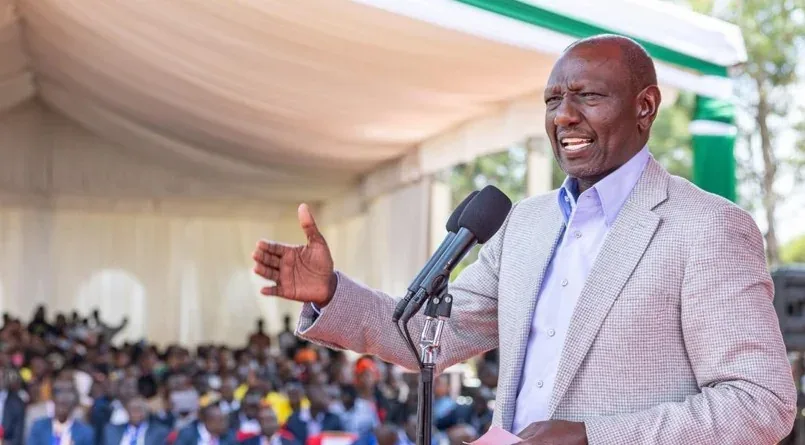
But the political environment is markedly different from the one that helped propel him to State House in 2022.
Former Deputy President Rigathi Gachagua has emerged as a major opposition force in the region. Deputy President Kithure Kindiki is intensifying his grassroots mobilisation in Mount Kenya East, while Kiharu MP Ndindi Nyoro has broken with the ruling United Democratic Alliance (UDA) and taken over the People's Party of Kenya (PPK).
The result is a fiercely contested political landscape in which several leaders are competing for influence over a region that remains strategically important to any presidential coalition.
The central question is no longer simply whether Mount Kenya will support Ruto.
It is who will control the region's political machinery — and whether its vote will remain united by 2027.
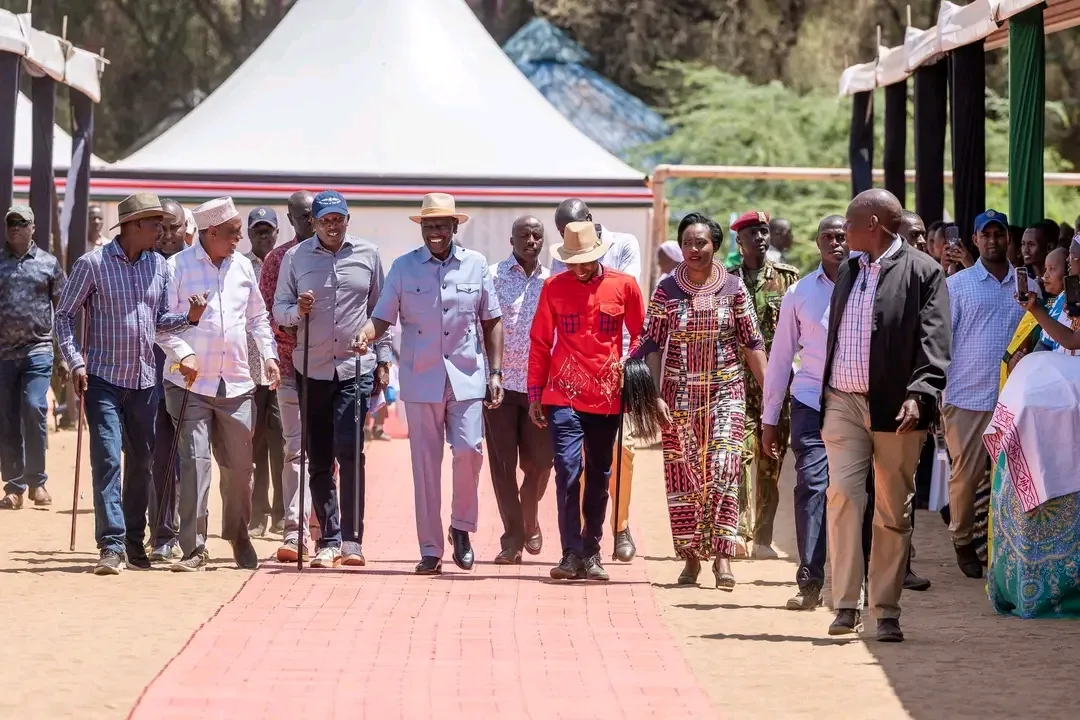
The 2022 political foundation
Ruto's 2022 presidential victory provides important context for understanding the current battle.
According to the official results declared by the Independent Electoral and Boundaries Commission on August 15, 2022, at the Bomas of Kenya, William Samoei Ruto received 7,176,141 votes, representing 50.49 per cent of valid votes cast.
Raila Amolo Odinga received 6,942,930 votes, representing 48.85 per cent.
The Supreme Court subsequently upheld Ruto's victory in its unanimous judgment delivered on September 5, 2022.
The narrow national margin demonstrated the importance of major regional voting blocs.
Mount Kenya was particularly significant to the Kenya Kwanza coalition, which successfully mobilised substantial support in the region during the 2022 election.
Four years later, however, the political alliances that helped deliver that victory have changed dramatically.
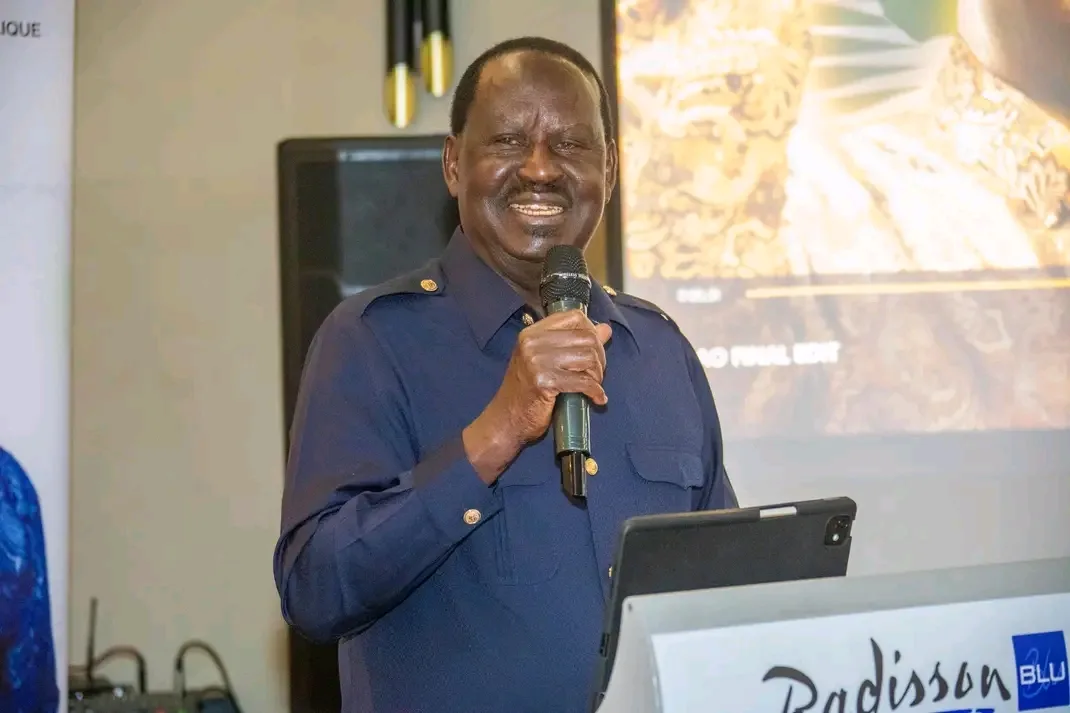
Gachagua's removal changed the political equation
The political relationship between Ruto and Gachagua deteriorated after the two leaders won the 2022 election together.
In October 2024, the National Assembly approved a motion seeking Gachagua's removal from office through impeachment.
The Senate subsequently upheld the impeachment, making Gachagua the first Deputy President to leave office through impeachment under the 2010 Constitution.
President Ruto nominated Kithure Kindiki to replace him, and the National Assembly approved Kindiki's nomination by 236 votes on October 18, 2024.
The political consequences of the impeachment have extended far beyond the Deputy President's office.
Gachagua has since established himself as one of the most prominent opposition figures seeking to challenge Ruto's influence in Mount Kenya.
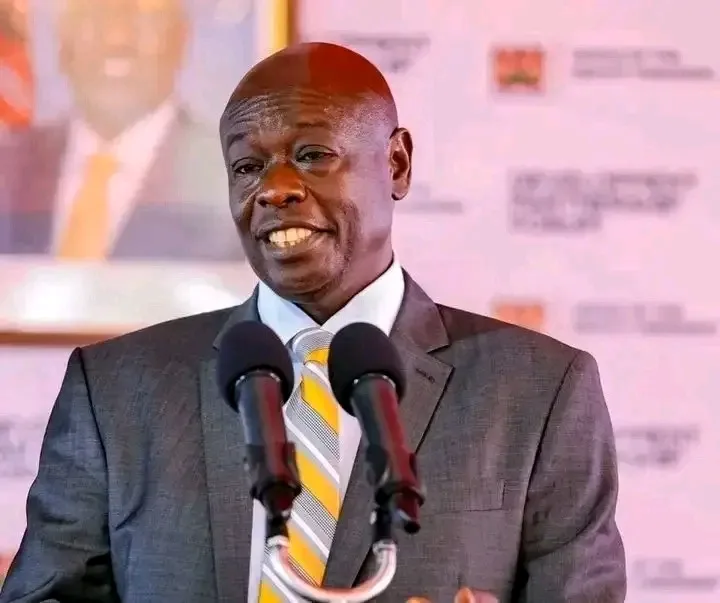
Ruto's Mount Kenya comeback strategy
Ruto's camp is now attempting to rebuild its relationship with a region where political dissatisfaction has become increasingly visible.
Senior government officials have adopted a more conciliatory approach, seeking to highlight development projects and rebuild political communication with residents.
The Kenya News Agency reported in July that government officials affiliated with the Mount Kenya Leaders Caucus were seeking to repair relations between the Kenya Kwanza administration and the region, acknowledging tensions that followed Gachagua's impeachment.
The administration's challenge is that development politics is now competing with a powerful political grievance narrative.
Opposition leaders have increasingly framed the 2027 election as an opportunity for Mount Kenya to renegotiate its political relationship with the national government.
That makes the region's political mood potentially more consequential than individual development projects.
Gachagua builds his own political base
Gachagua remains one of the biggest factors in the Mount Kenya equation.
As leader of the Democracy for Citizens Party (DCP), the former Deputy President has been working to establish grassroots structures across the region while presenting himself as a defender of Mount Kenya's political interests.
His political message has increasingly centred on the need for the region to speak with one voice and negotiate from a position of strength.
In July, Gachagua claimed that Ruto could receive as little as two per cent of the Mount Kenya vote in 2027, citing the Ol Kalou by-election as evidence of changing political sentiment. That figure is a political claim rather than an established forecast, but it illustrates the confidence with which the former Deputy President is challenging Ruto's influence.
Gachagua has also taken his mobilisation directly into areas where rival political figures have strong support.
In August, he toured Murang'a, including areas regarded as Ndindi Nyoro's political backyard, as DCP sought to consolidate its position in Mount Kenya.
Ndindi Nyoro changes the opposition equation
The emergence of Ndindi Nyoro has added another major layer to the Mount Kenya contest.
The Kiharu MP broke with UDA in August 2026 and joined the opposition through the People's Party of Kenya.
Nyoro's decision was significant because he had previously been regarded as one of Ruto's influential allies in Mount Kenya.
His move has transformed him from an important figure within the ruling camp into an independent political player seeking to build his own national platform.
Nyoro subsequently launched PPK in his Kiharu backyard and began a grassroots mobilisation campaign.
The party has presented itself as a new political vehicle and has called for the opposition to eventually unite behind one presidential candidate to challenge Ruto in 2027.
His move has, however, created a new contest within the opposition itself.
Gachagua's allies have questioned Nyoro's motives and accused him of potentially dividing the Mount Kenya vote, while Nyoro has presented himself as an independent opposition figure.
The Star reported in August that the rivalry between the two camps had opened a fresh battle over the future political direction of Mount Kenya.
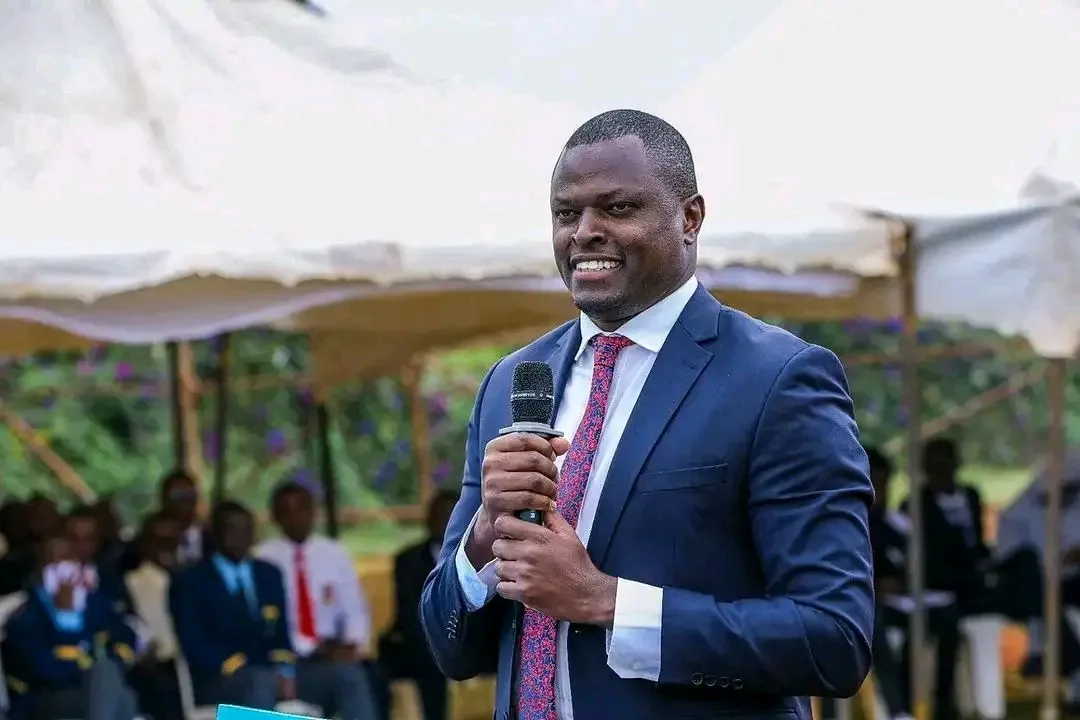
Nyoro and Gachagua: alliance or rivalry?
This may become one of the most important questions in the Mount Kenya contest.
Nyoro's emergence does not automatically mean that he and Gachagua will compete permanently.
Indeed, Nyoro has publicly urged political leaders seeking to join his party to reconcile with Gachagua and other opposition figures before joining PPK.
At the same time, both men are building their own political structures and attempting to establish influence in the same region.
That creates a delicate political calculation.
If Gachagua and Nyoro eventually cooperate, they could potentially create a formidable opposition structure in Mount Kenya.
If they compete against each other, their rivalry could fragment the anti-Ruto vote and create room for the President's camp to recover support.
The answer may depend on whether opposition leaders can agree on a common presidential strategy before the 2027 election.
Kindiki launches a grassroots fightback
Deputy President Kithure Kindiki represents another important piece of the Mount Kenya puzzle.
Unlike Gachagua and Nyoro, Kindiki remains firmly inside the Ruto administration and is actively defending the government's record.
His strategy has increasingly focused on consolidating support in Mount Kenya East, particularly in Meru, Embu and Tharaka Nithi.
Recent political activity shows the intensity of that effort.
Kindiki has been holding meetings with elders, UDA grassroots officials, local leaders and other opinion shapers across the region. The Star reported that his mobilisation campaign is aimed at strengthening his position and retaining his role in the 2027 political arrangement.
On September 4, Kindiki addressed UDA officials and supporters in Meru and defended the administration's record while arguing that the party's grassroots network would be central to Ruto's re-election campaign.
Kindiki has also publicly maintained that he intends to remain Ruto's running mate in 2027, while positioning himself for the presidency in 2032.
His challenge is that the political mood in Mount Kenya West is considerably more hostile to the Ruto administration than in parts of Mount Kenya East.
Mount Kenya is no longer a single political bloc
Perhaps the biggest change since 2022 is the fragmentation of the region's political leadership.
In 2022, Kenya Kwanza benefited from a relatively clear alliance involving Ruto, Gachagua and other influential regional leaders.
In 2026, the picture is far more complicated.
Gachagua is building DCP.
Nyoro is building PPK.
Kindiki is strengthening UDA and government structures in Mount Kenya East.
Ruto is attempting to rebuild the wider Kenya Kwanza political network.
The result is a contest involving multiple centres of political power rather than one dominant regional command.
Recent reporting from Murang'a illustrates the complexity. Nyoro has been building PPK structures in his home county while Gachagua has simultaneously taken his DCP campaign into the same political territory.
The big question: Can Ruto win Mount Kenya again?
The answer may depend on whether Ruto can convert government performance into renewed political loyalty.
The President still controls the machinery of government and has the ability to campaign on development projects, national programmes and the benefits of remaining within the ruling coalition.
But the opposition now has stronger local political structures than it did immediately after the 2022 election.
Gachagua has built a political identity independent of the presidency.
Nyoro has created another opposition vehicle with ambitions beyond Murang'a.
Kindiki is working to consolidate Mount Kenya East while defending his position within the Ruto administration.
This means Ruto cannot simply rely on the alliances that carried him to victory four years ago.
He must rebuild them.
What the Mount Kenya battle could mean for 2027
The battle for Mount Kenya is ultimately bigger than the region itself.
The presidency will be decided nationally, but the ability of presidential candidates to secure large and organised voting blocs could determine how competitive the 2027 election becomes.
For Ruto, retaining meaningful support in Mount Kenya could strengthen his path to re-election.
For Gachagua, Nyoro and other opposition figures, breaking the President's hold on the region could significantly weaken his national coalition.
The most important question, however, may not be who is currently leading in Mount Kenya.
It may be whether the region enters the 2027 election behind one political vehicle or several competing formations.
If Gachagua and Nyoro eventually find common ground, the political equation could change dramatically.
If their camps remain divided while Kindiki and Ruto consolidate the government vote, the President could regain ground.
For now, one thing is clear:
The battle for Mount Kenya in 2027 has become a contest within a contest — Ruto versus the opposition, Gachagua versus Nyoro for influence, and Kindiki fighting to consolidate the President's support in the region.
And with the General Election approaching, the question of who controls Mount Kenya could become one of the defining political stories of Kenya's 2027 presidential race.
Do you want to be published? E-mail info@thedailywhistle.co.ke or WhatsApp 0721930260
Comments
No approved comments yet.