

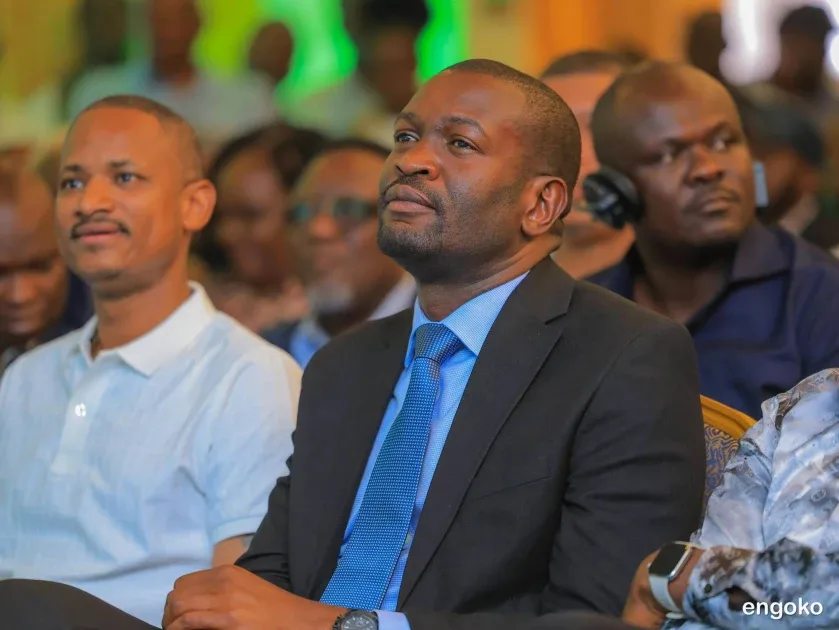
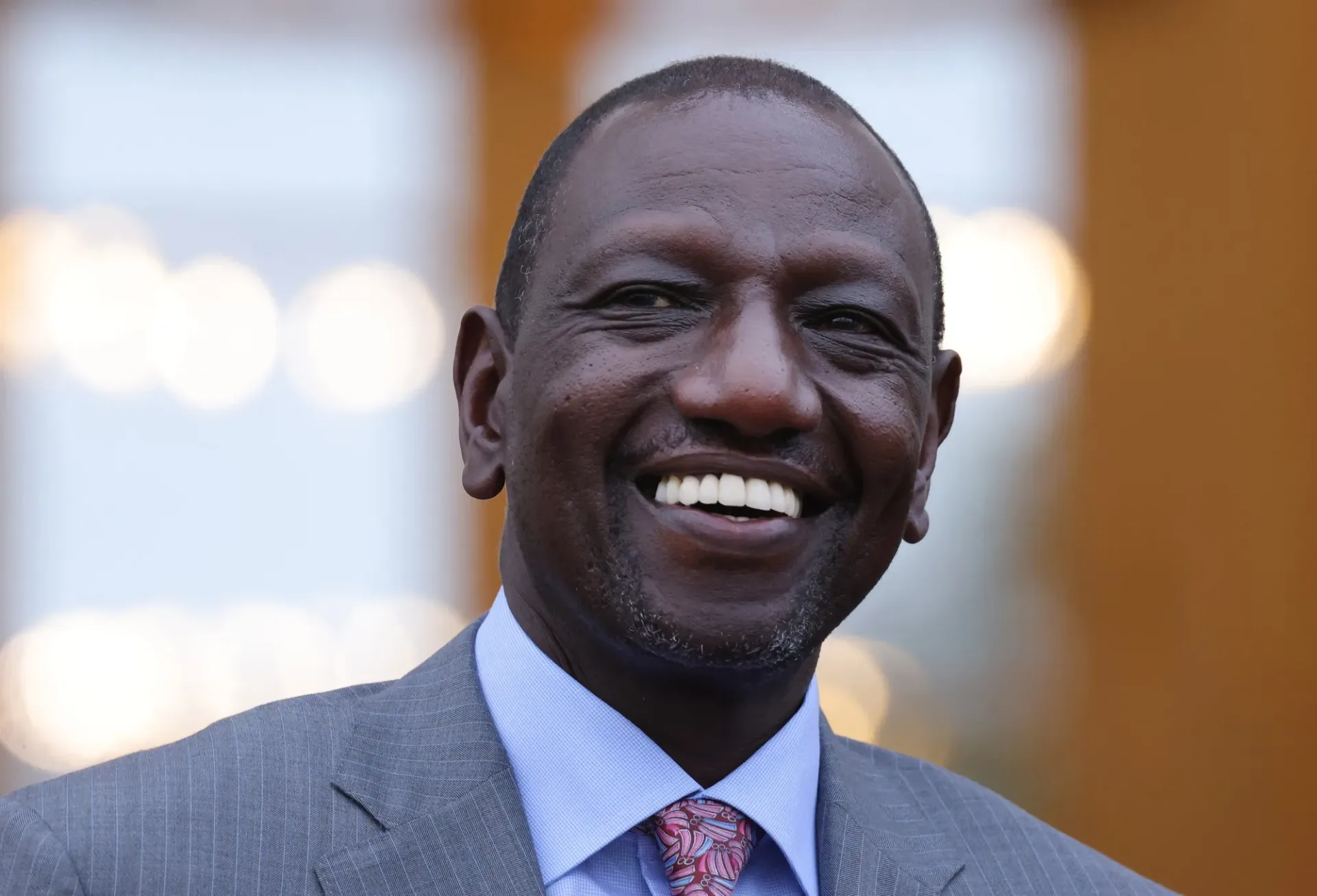
Although Ruto enjoys the advantages of incumbency and access to government machinery, Sifuna is positioning himself as a potential alternative, particularly among young Kenyans dissatisfied with the current administration.
A report published by Daily Nation on October 9, 2026, identified Sifuna among a new generation of politicians seeking to challenge the established political order ahead of the 2027 elections. The publication noted that the emerging contest was increasingly taking on a generational dimension, with younger politicians seeking to establish themselves as credible national leaders.
One of Sifuna's biggest advantages could be his connection with Generation Z.
Unlike traditional politicians who rely heavily on conventional campaign strategies, the Nairobi senator has established a strong presence on social media through outspoken political commentary, humour and criticism of government policies.
A July 13, 2026 report by Capital FM, published through AllAfrica, highlighted an Infotrak opinion poll that identified Sifuna as the most popular political figure among Generation Z voters.
According to the survey, Sifuna commanded 20 per cent support among voters aged between 18 and 26, although President Ruto remained the most preferred presidential candidate overall.
The findings suggest that Sifuna could have an important advantage among younger voters as political parties prepare for the next general election.
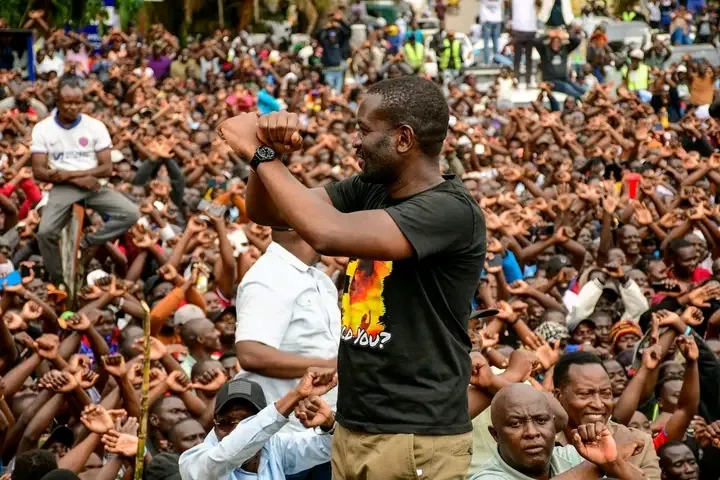
His growing influence has also been demonstrated through the Linda Mwananchi movement, which has attracted considerable attention through political rallies and grassroots mobilisation.
In a September 14, 2026 report, Daily Nation documented how Sifuna and his allies mobilised supporters across Nairobi, culminating in a major gathering at Jacaranda Grounds.
The publication observed that the movement was attempting to establish itself as a significant force in the post-Raila Odinga opposition while competing for control of Nairobi's influential political support base.
Another factor that could work in Sifuna's favour is growing public dissatisfaction with some government policies and economic decisions.
President Ruto campaigned on a bottom-up economic model in 2022, promising to improve the lives of ordinary Kenyans. However, disagreements over the Social Health Authority, university funding model, taxation and the cost of living have continued to generate criticism against his administration.
Sifuna could use these concerns to present himself as an alternative focused on accountability, equitable development and better governance.
His political slogan, associated with the idea of equality and fairness, could also resonate with voters who believe that national resources and economic opportunities should be distributed more equitably.
His growing presidential popularity is perhaps the clearest indication that he could become a serious factor in the 2027 political contest.
A July 25, 2026 report by The Star, citing a Trends and Insights For Africa (TIFA) opinion poll, indicated that Sifuna had risen to 15 per cent in a hypothetical presidential race.
President Ruto maintained the lead with 24 per cent, while former Interior Cabinet Secretary Fred Matiang'i had 14 per cent, Kalonzo Musyoka 13 per cent and former Deputy President Rigathi Gachagua 7 per cent.
The survey, conducted between June 13 and June 22, involved 2,048 respondents across the 47 counties.
The findings placed Sifuna among the leading opposition figures and demonstrated how quickly his political profile had grown.
His presidential ambitions also received further attention following an interview with Citizen TV's The Explainer on July 28, 2026.
According to Citizen Digital, Sifuna said he would not reject a presidential responsibility if Kenyans and members of the Linda Mwananchi movement collectively decided that he should contest.
He explained that his political future would depend on consultations within the movement and the wishes of supporters rather than an individual decision.
Beyond his popularity, Sifuna's political organisation could become another important factor.
In a November 2, 2026 report, The Star revealed details of the political team assembled to steer his presidential ambitions under the Linda Mwananchi movement.
Trans Nzoia Governor George Natembeya was appointed to coordinate the presidential campaign, while other political figures, including Vihiga Senator Godfrey Osotsi, former Meru Governor Kawira Mwangaza and former Law Society of Kenya president Faith Odhiambo, were included in the proposed leadership structure.
The development could help Sifuna expand his political influence beyond Nairobi and establish connections with different regional political constituencies.
His political experience also gives him an advantage in understanding national political negotiations.
According to his official profile on the Kenyan Parliament website, Sifuna studied law at the University of Nairobi and obtained a postgraduate diploma from the Kenya School of Law. He also served as ODM Secretary General from 2018.
His experience in party administration and parliamentary politics could prove valuable as he attempts to build a national political organisation.
However, Sifuna's biggest test would be convincing influential opposition leaders to support a common presidential candidate.
Kenya's presidential elections are heavily influenced by regional voting patterns, making political alliances an important part of any serious State House campaign.
A potential arrangement involving Gachagua's Mt Kenya support base, Kalonzo's Ukambani influence, Western Kenya leaders and Coast politicians could significantly change the 2027 political equation.
Nevertheless, convincing these political figures to rally behind one presidential candidate would require difficult negotiations, political compromises and an acceptable power-sharing arrangement.
The latest developments surrounding the arrest of Trans Nzoia Deputy Speaker Obed Mwale could also intensify the political confrontation between Linda Mwananchi leaders and the national government.
In a November 3, 2026 report, People Daily reported that the movement had accused security officers of politically motivated intimidation following Mwale's arrest in Kitale.
The publication also reported that police linked the investigation to the October 16 confrontation involving Ruto's motorcade and Sifuna's convoy.
While the allegations of political persecution remain disputed, the incident has added another dimension to the growing political rivalry between the movement and government supporters.
Ultimately, Ruto could face a complicated opposition landscape in 2027, with several influential politicians seeking to challenge his leadership.
Gachagua could remain influential in Mt Kenya, Kalonzo commands a significant political following in Ukambani, while Natembeya and other Western Kenya leaders could influence voting patterns in their respective regions.
Sifuna's ability to communicate across different communities, combined with his command of English, Kiswahili and Sheng, could help him appeal to voters beyond his traditional political base.
Nevertheless, popularity on social media, strong opposition rallies and favourable opinion polls do not automatically translate into presidential victory.
He would still need a nationwide political network, established regional alliances, financial resources and a convincing development agenda to mount a serious challenge against an incumbent president.
For Ruto, the challenge will be defending his administration's record while attempting to retain the support of voters who helped him win in 2022.
For Sifuna, the opportunity lies in transforming his growing popularity into a nationwide political movement capable of competing for State House.
If he succeeds in bringing together young voters, grassroots movements and influential regional political leaders, Edwin Sifuna could emerge as one of William Ruto's most consequential challengers in the 2027 General Election.

Comments
No approved comments yet.