

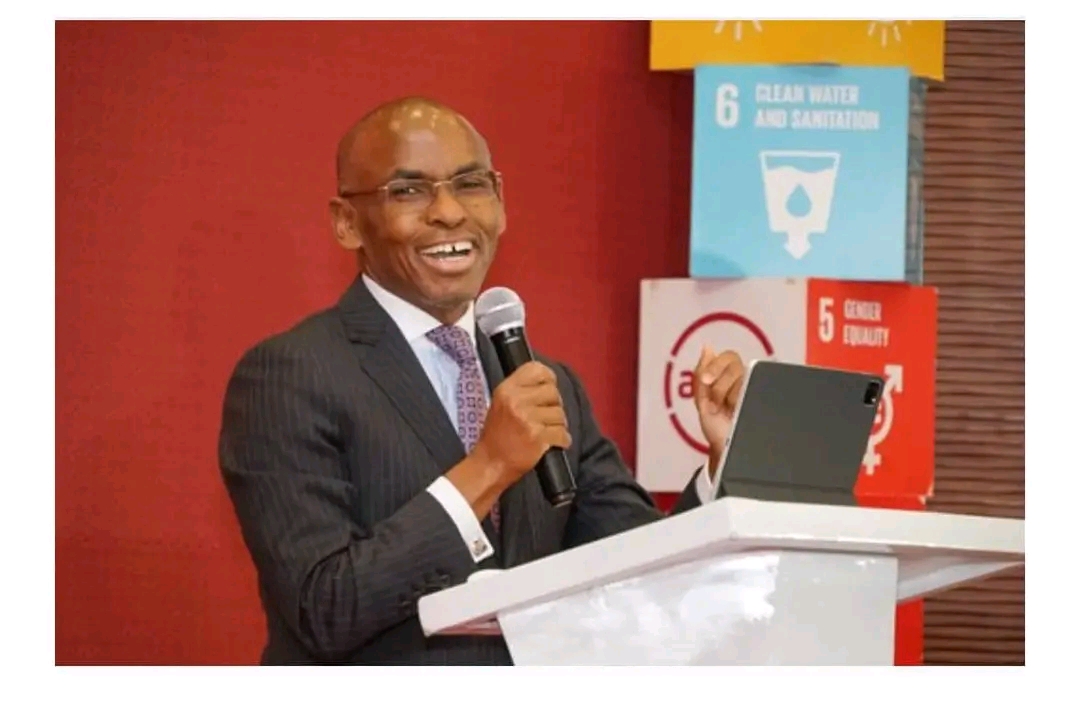
June 11, 2025, Nairobi — Safaricom PLC has come out strongly to distance itself from allegations linking the telecommunications giant to the arrest and eventual death of blogger Albert Omondi Ojwang.
The company’s CEO, Dr. Peter Ndegwa, issued a public statement addressing claims made by former Attorney General and Cabinet Secretary Hon. Justin Muturi, who had implied that Safaricom may have been complicit in the tracking and arrest of Ojwang.
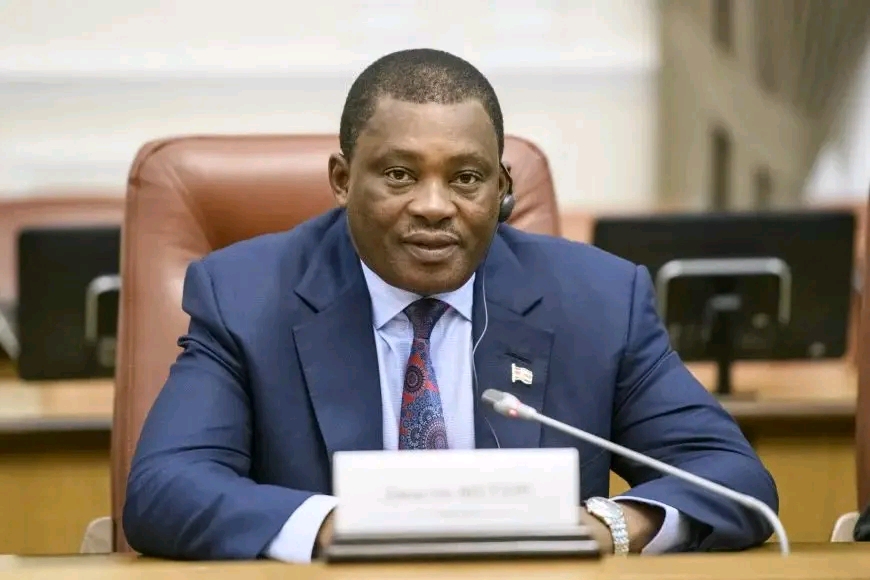
In the statement, Dr. Ndegwa extended Safaricom’s deepest condolences to Ojwang’s family and friends and emphasized that at no point did the company have any contact with security agencies regarding the arrest.
Read: CS Muturi Goes After Ruto Again as Sifuna Links Nairobi City Mortuary to Killings
“We became aware of his arrest through media reports,” the statement read, expressing shock over being drawn into the controversy. Dr. Ndegwa further called on all Kenyans to remain calm and not fall for incitement, urging leaders to instead push for “credible, transparent and timely investigations that will bring the perpetrators to justice.”
Albert Omondi Ojwang, a widely followed political commentator on X (formerly Twitter), was arrested on June 7 in Homa Bay County by officers from the Directorate of Criminal Investigations (DCI).
Read: How Embedded Insurance Is Quietly Changing How We Buy Protection
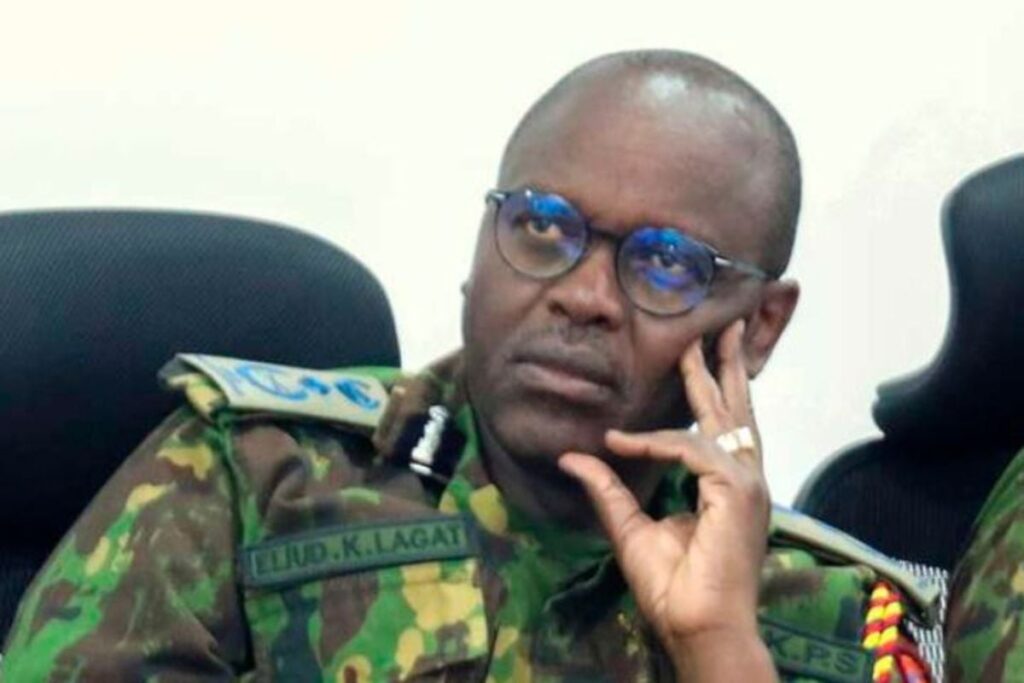
He was reportedly accused of defaming a senior police officer online. He was transported over 400 kilometers to Nairobi’s Central Police Station. On June 8, just a day later, police claimed Ojwang fell ill and was rushed to Mbagathi Hospital, where he died.

However, the official narrative quickly came under scrutiny after an autopsy conducted at the City Mortuary contradicted police claims of illness or suicide.
According to the post-mortem report, Ojwang had suffered blunt force trauma to the head, compression to the neck, and other injuries consistent with physical assault. The Independent Policing Oversight Authority (IPOA), which has since launched a formal investigation, disclosed that the CCTV system in the officer-in-charge’s office had been tampered with, raising further suspicions of foul play.
Read: DCI to investigate the Kabete shooting
IPOA Vice Chair Ann Mwangi told the Senate that at least five officers involved in the arrest had been identified. She said IPOA was conducting forensic and ballistic investigations, interviewing detainees who were in the same cell, and reviewing post-mortem results. Her revelations cast serious doubt on the integrity of the police’s account of events.
Amid mounting pressure, the Inspector General of Police Douglas Kanja admitted on June 11 that earlier statements by the police suggesting Ojwang had injured himself were incorrect.
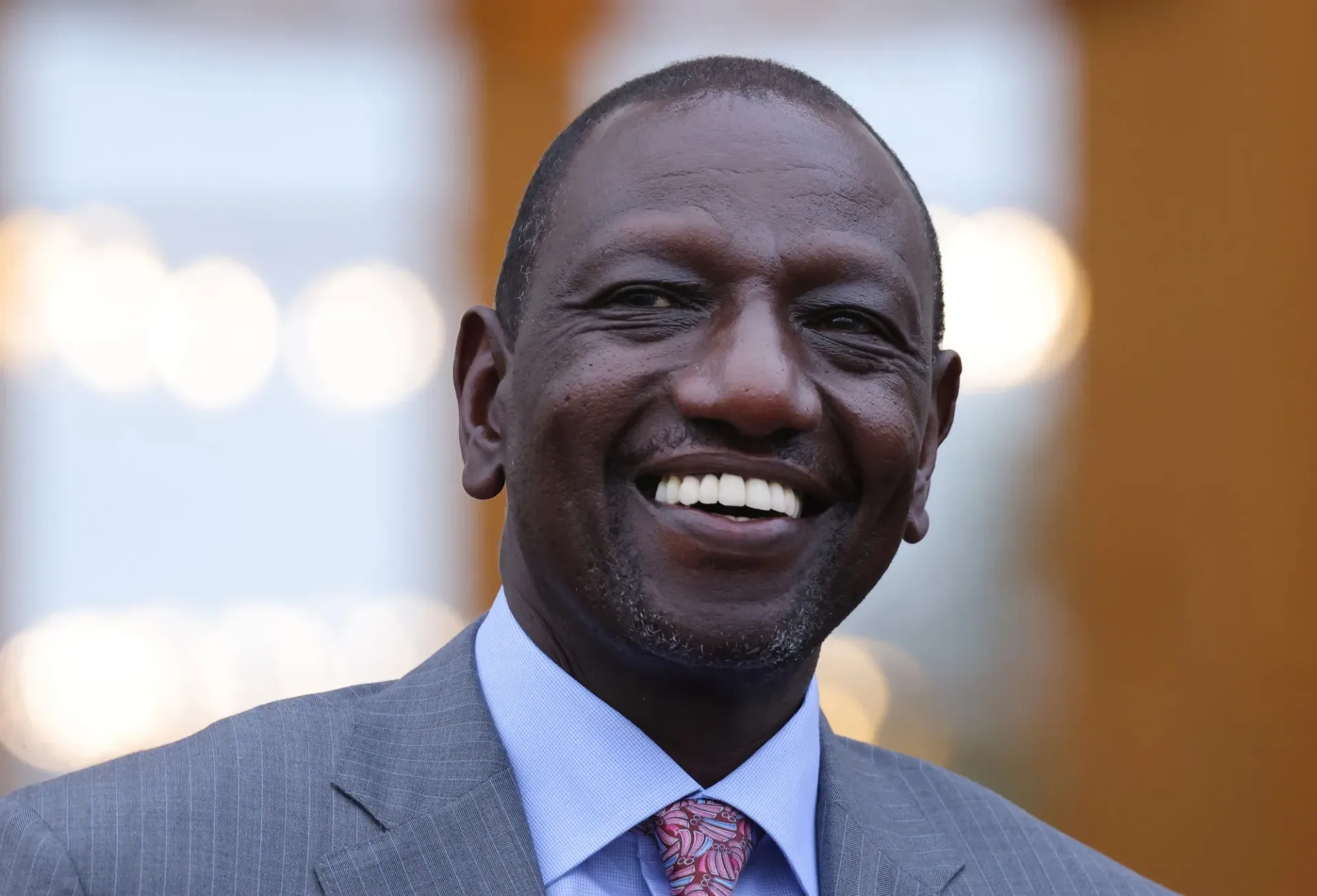
President William Ruto also weighed in, saying the death of Ojwang was “heartbreaking and unacceptable,” and called for a fully independent investigation free from any form of interference. Interior Cabinet Secretary Kipchumba Murkomen echoed the call and promised that those found culpable would face the full force of the law.

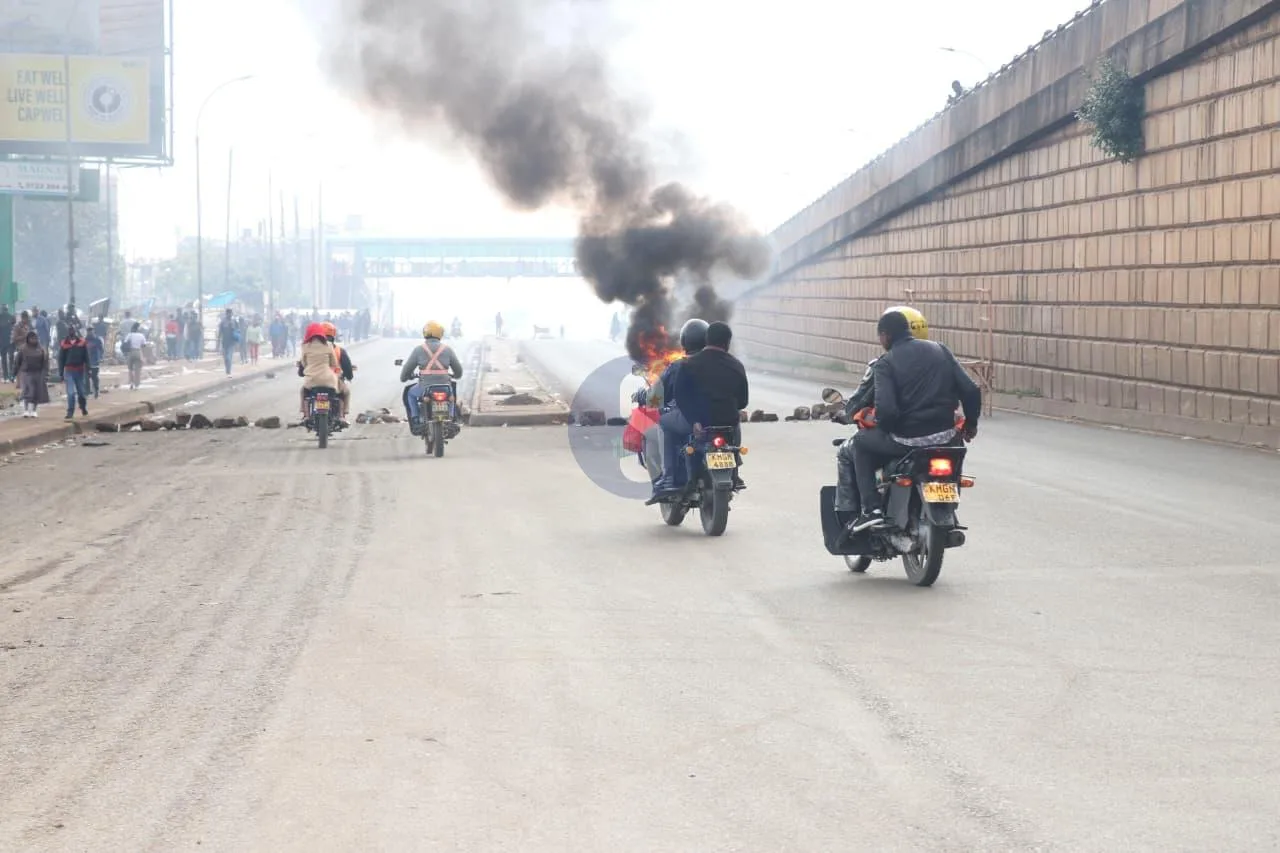
News of Ojwang’s death has sparked public outrage. Protests broke out in Nairobi on June 9, with activists and ordinary citizens marching through the streets demanding justice.
Police used tear gas to disperse demonstrators. Amnesty Kenya and other civil rights groups condemned what they described as “a rising wave of police brutality and suppression of dissent.” Hussein Khalid of Vocal Africa said, “Until now… they [the police] have not told us the truth. We want justice for Ojwang.”
The public reaction has been equally fierce online, with Kenyans flooding social media with tributes, outrage, and demands for accountability.
“Instead of protecting us, the government is now turning against its own people. It’s heartbreaking,” said John Irungu, a Nairobi resident. Mercyline Ouma, a youth leader, added, “Even if someone is suspected of wrongdoing, killing them can never be justified.”
Kenyans have also shown strong solidarity with Ojwang’s family. Comedian Eric Omondi led a campaign to raise funds for the bereaved family. Just 11 minutes after posting Ojwang’s father’s M-Pesa number on social media, the account had reached its Ksh 500,000 limit.
“Anyone who sends anything, God bless you,” Omondi said in a video. Meanwhile, activist Hanifa Farsafi launched another campaign to support Ojwang’s wife and five-month-old child but later cautioned against multiple competing paybills, noting only one had been verified by the family.

In response to public suspicion, both Safaricom and the Communications Authority of Kenya have reiterated that they did not share location or subscriber data regarding Ojwang. The CA explained it lacks access to such data and only processes requests from security agencies through formal legal channels, such as court orders.
Safaricom reaffirmed its commitment to protecting customer privacy and called for responsible leadership that unites rather than divides Kenyans.
As IPOA continues its investigation, the death of Albert Ojwang has become a flashpoint for deeper conversations about police accountability, digital freedoms, and the safety of political commentators. The outcome of this case may well set a precedent for how the state balances national security with civil liberties. For now, Kenyans are watching closely—and demanding answers.
Do you want to be published? Email info@thedailywhistle.co.ke or Whatsapp 0721930260
Comments
No approved comments yet.